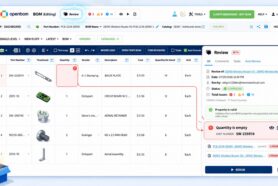
In the world of engineering and manufacturing, managing Bill of Materials (BOMs) is crucial. We honestly believe that BOMs are the lifeblood of every engineering and manufacturing business. That was the reason we called our platform OpenBOM. However, together with that, we designed OpenBOM to be much more than just a tool to manage BOMs.
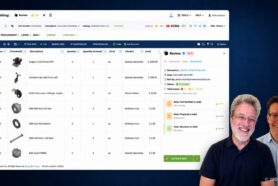
We have discussions with industry experts about PLM technologies these days where we explore how the OpenBOM platform can be used in different use cases and scenarios for different companies. These discussions are taking the OpenBOM platform to many different places such as management of multi-BOMs, digital threads, document collaborations with multiple suppliers, and more.
You can read more about some of these discussions online about existing PLM platforms and future directions of PLM technologies, the opportunity to use modern data management technical stack to provide a better technological platform for structured data management and collaboration. Check them out.
OpenBOM is more than just a BOM management tool; it is a comprehensive data management and collaboration platform designed to transform the way engineers and manufacturing companies work.
In my blog today, I want to give you a broader perspective on the OpenBOM platform and share some links that will help you to understand what the OpenBOM platform can do now. Check this out.

1. Centralized Data:
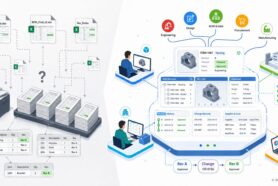
OpenBOM serves as a centralized hub for all your product data, including BOMs, part catalogs, CAD files, and more. It enables you to create a single source of truth for your product information, streamlining data access and ensuring data consistency across your organization.
2. Flexible Data Management:
OpenBOM allows you to manage more than just BOMs. Create custom objects to manage various types of data, including documents, requirements, tasks, and more. This versatility makes OpenBOM a comprehensive data management solution for your entire product lifecycle.
3. Multi-Tenant Data Sharing and Collaboration:
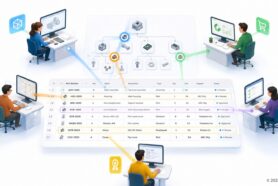
OpenBOM enables multi-tenant collaboration, allowing multiple companies to share data in real-time. This feature fosters collaboration across organizational boundaries, streamlining supply chain and partnership relationships.
OpenBOM simplifies collaboration with suppliers by providing secure access to relevant data. This facilitates smoother procurement processes, reduces lead times, and enhances supplier relationships.
4. Real-time Collaboration:
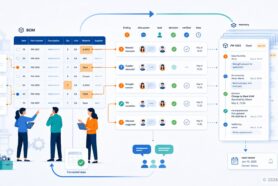
Collaboration is at the heart of OpenBOM. With real-time sharing and collaboration features, teams can work together seamlessly, no matter where they are located. Engineers, designers, and manufacturers can collaborate on BOMs, designs, and project timelines, improving communication and productivity.
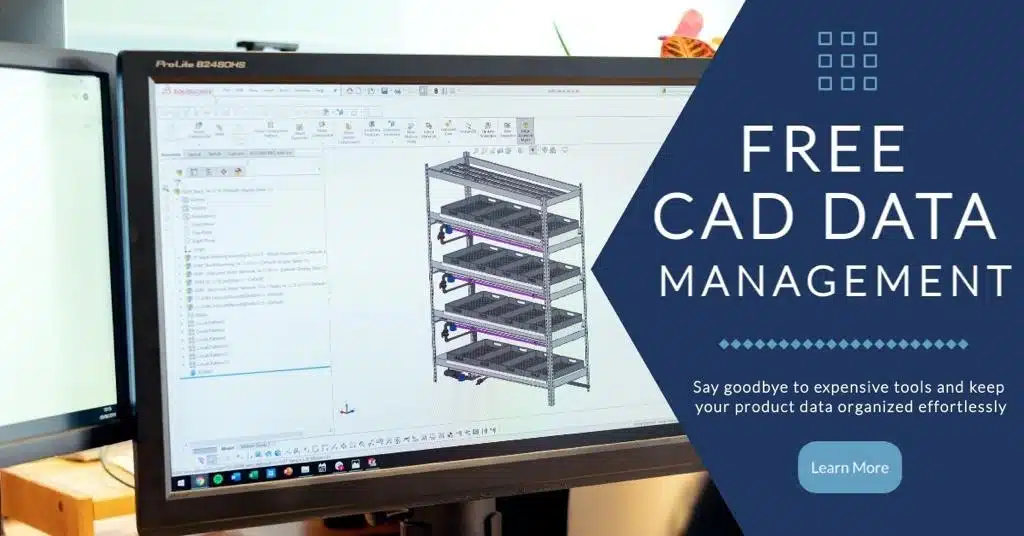
5. Change Management, Version Control, and Revision History:
OpenBOM provides robust version control and revision history features, allowing you to track changes and updates to your product data over time. This ensures that you can always refer back to previous versions and maintain an accurate audit trail.
6. Broad Integration Capabilities:
OpenBOM integrates with popular CAD systems, PLM tools, and other software platforms, making it a versatile part of your technology stack. This integration capability ensures that your product data flows smoothly throughout your entire ecosystem. OpenBOM Design integrates all design data into a single hub via REST API. OpenBOM CAD add-ins can provide integrations with all popular CAD systems. Broad integration with ERP and other systems is available.
7. Product Knowledge Graph Management and Data Analytics:
OpenBOM empowers you with product knowledge graph management capabilities, utilizing a Graph Database to represent complex relationships and dependencies in your product data. This enables advanced data science and analysis for optimizing product development.
Harness the power of data with OpenBOM’s reporting and analytics tools. Gain insights into your product development processes, identify bottlenecks, and make data-driven decisions to improve efficiency and quality.
Conclusion:
OpenBOM is a powerful tool for managing Bill of Materials. Together with that it offers so much more to engineers and manufacturing companies. With its comprehensive data management, multi-tenant collaboration, and advanced graph data science capabilities, OpenBOM transforms the way teams work together, streamlining processes, improving communication, and ultimately driving innovation. Don’t limit OpenBOM to BOM management; unlock its full potential as a data management and collaboration platform for your organization.
REGISTER FOR FREE to check how OpenBOM can help you today.
Best, Oleg
Join our newsletter to receive a weekly portion of news, articles, and tips about OpenBOM and our community.