Last week, the global PLM community gathered in Lecce, Italy, for the IFIP 23rd International Conference on Product Lifecycle Management (IFIP PLM 2026), hosted by the University of Salento on July 6–8. OpenBOM was proud to be among the sponsors of the event, and I had the honor of delivering one of the keynotes and presenting OpenBOM during the industry sessions.
If you have never been to an IFIP PLM conference, here is the short version: it is the place where PLM research and PLM practice actually talk to each other. Professors, PhD students, industrial practitioners, and vendors spend three days in the same rooms, asking each other hard questions.
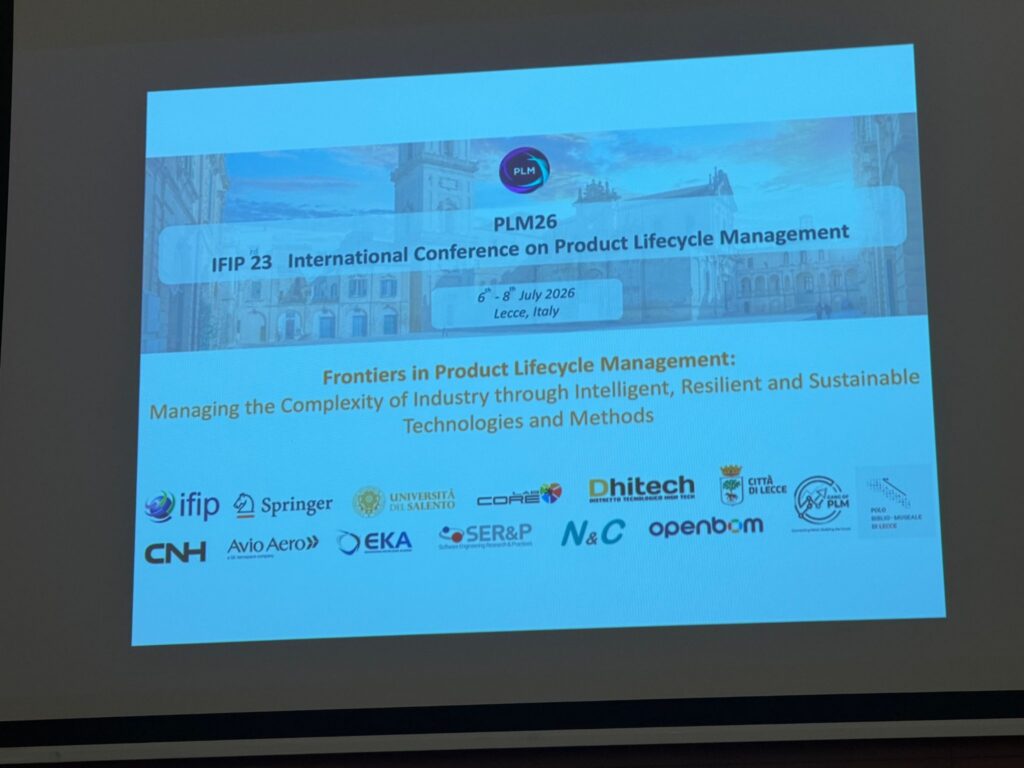
This year’s theme — “Frontiers in Product Lifecycle Management: Managing the Complexity of Industry through Intelligent, Resilient and Sustainable Technologies and Methods” — set the tone for a program heavy on AI, digital thread, digital twins, and sustainability.
The Lecce Factor
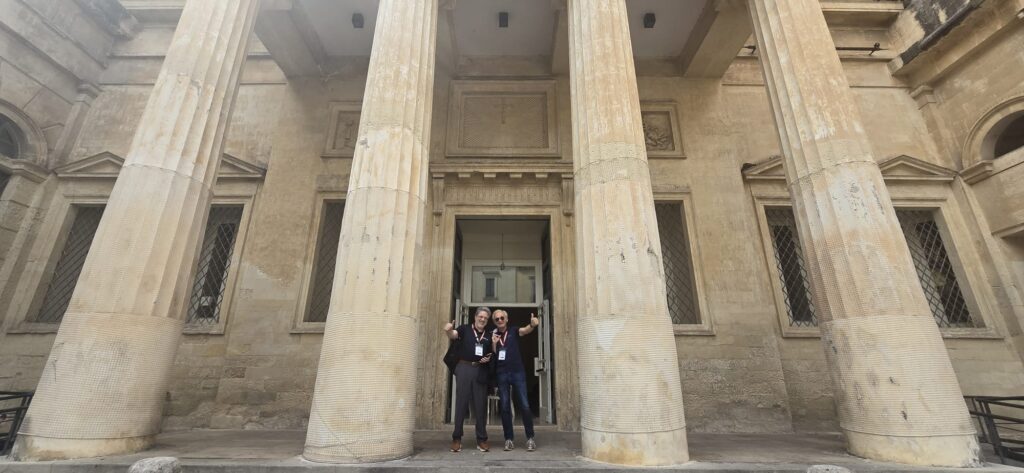
Let me start with the setting, because it deserves it. Lecce is sometimes called “the Florence of the South,” and the conference venue lived up to the name — baroque limestone facades, vaulted halls, and a monastery courtyard that turned every coffee break into something you wanted to photograph.
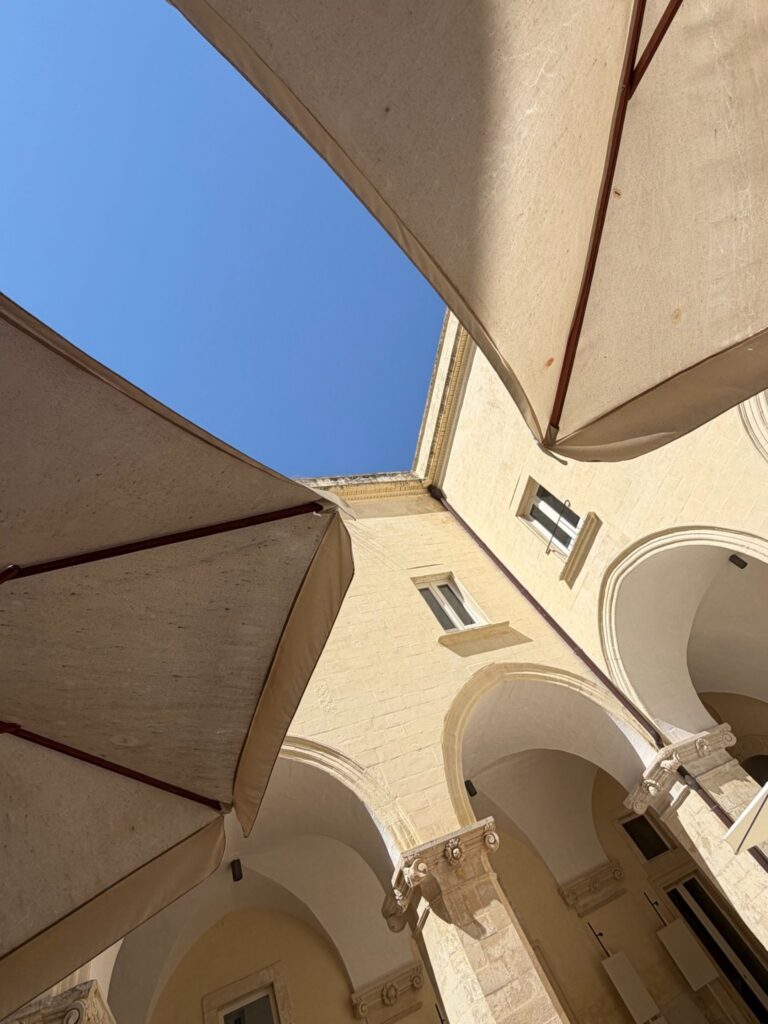
Sessions ran in a hall with frescoes on the walls and a modern library room with stone arches. It is hard to think of a better backdrop for a conversation about how engineering organizations preserve knowledge across generations.
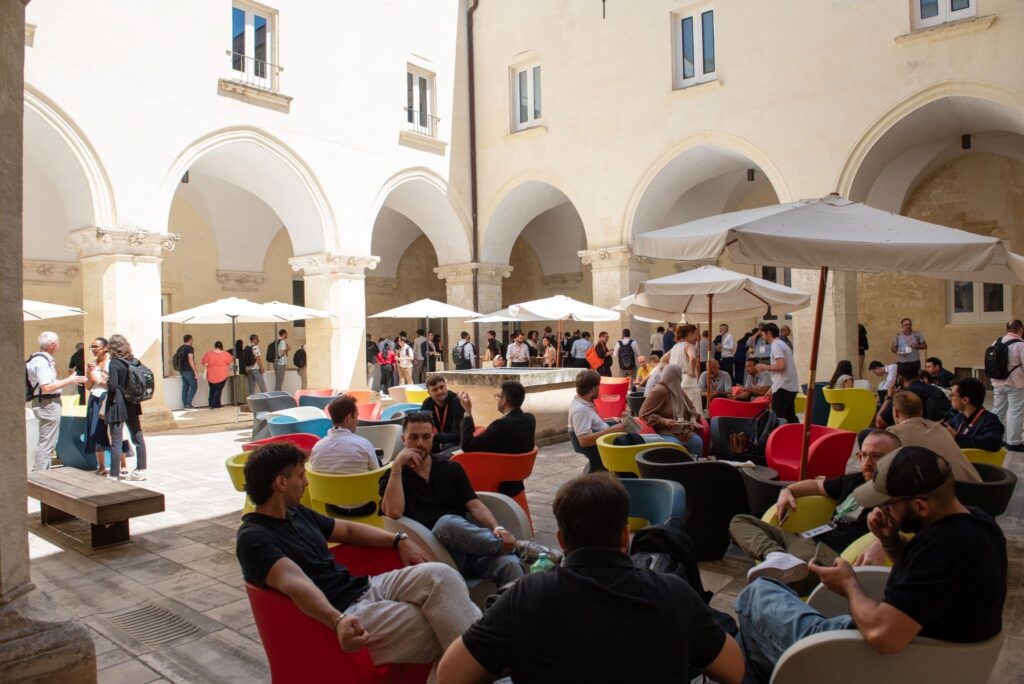
The courtyard breaks were where much of the real conference happened — researchers and industry people from Brazil, Finland, South Africa, France, Qatar, Germany, the US, and beyond, comparing notes under the umbrellas between sessions.
From CAD Files to Product Memory Keynotes
My keynote, “From CAD Files to Product Memory,” made the argument that a product is not its files — a product is everything an organization remembers about how and why it came to be. Our systems have become very good at answering what changed and when. The why still lives scattered across systems, spreadsheets, emails, and, most of all, in people’s heads. Product Memory is my proposal for what comes next, and I also announced my upcoming book on the topic at the end of the talk.
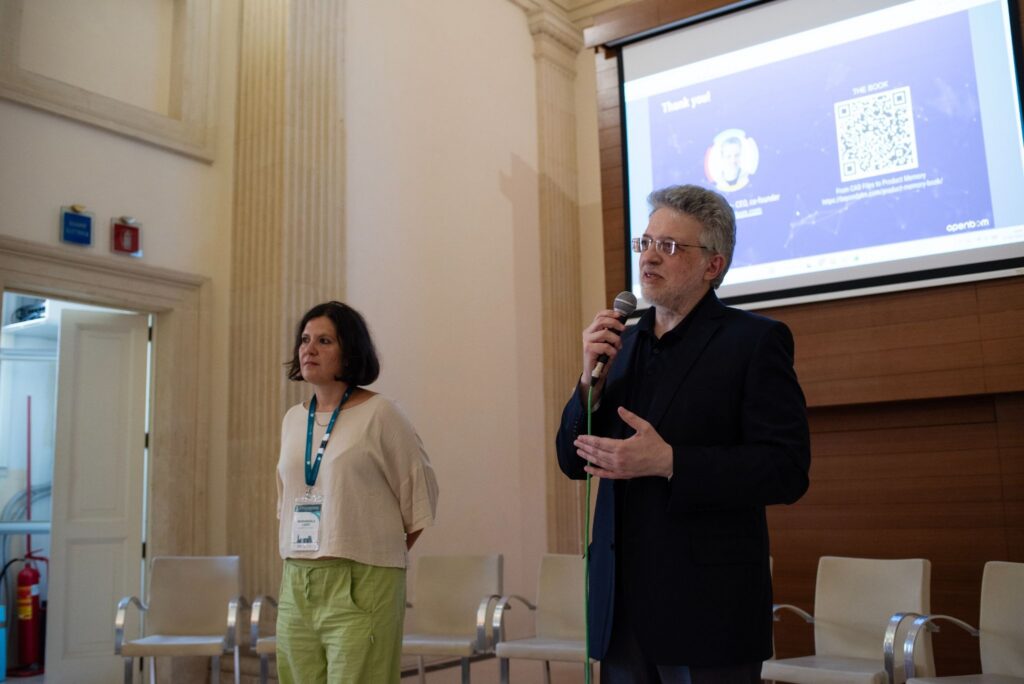
I wrote a full article about the keynote on Beyond PLM — you can read it here: From CAD Files to Product Memory keynote article. The book announcement and updates are here – beyondplm.com/product-memory-book/.
OpenBOM Demo: Product Knowledge and Digital Thread in Action
Beyond the keynote, we ran an OpenBOM demo session during the conference, and I genuinely enjoyed this one. Presenting OpenBOM to an audience of PLM researchers and PhD students is a different experience than a typical customer demo — the questions go straight to the data model.
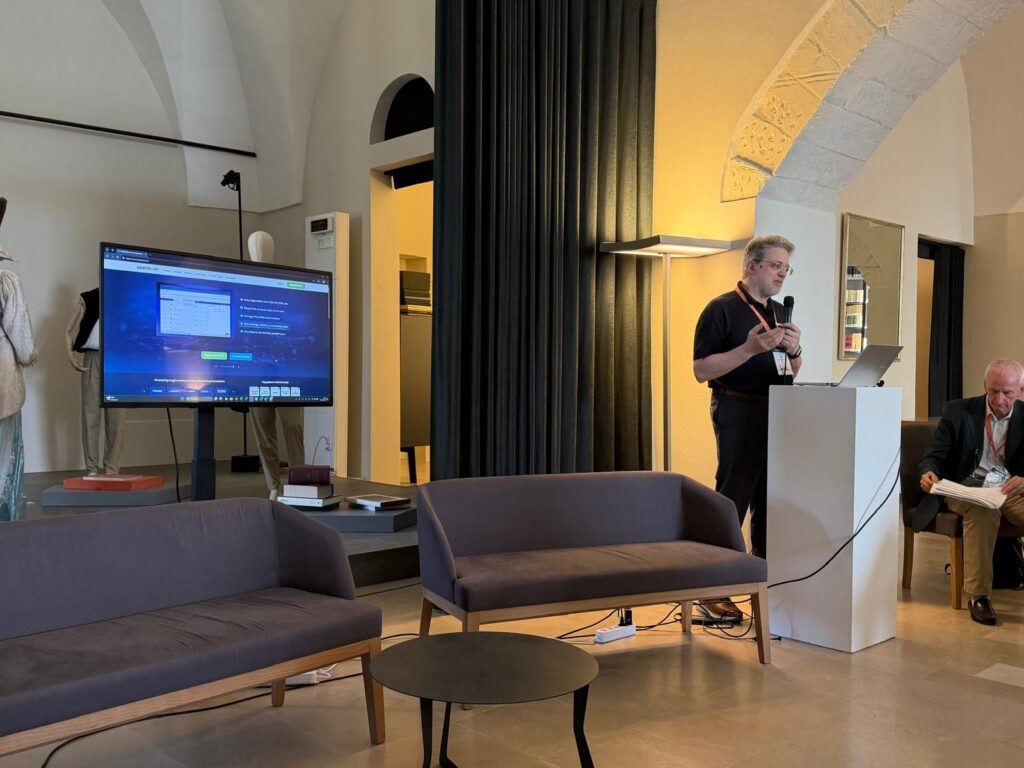
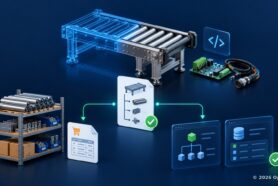
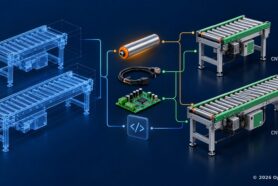
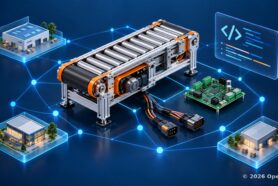
I showed how OpenBOM connects CAD, BOM, purchasing, and supplier data into a live, connected product context – the practical foundation for the Product Memory ideas from the keynote. The discussion afterwards about graphs, flexible data models, and AI agents working over connected product data could easily have filled another session.
This is exactly why we sponsor events like IFIP PLM: the research community is asking the questions the industry will be answering for the next decade.
Presentations, Roundtables, and the Community
The program was strong across the board. A few highlights:
Prof. Martin Eigner delivered a keynote looking back at 40 years of PLM and forward to graph-based architectures, semantic digital thread, and agentic AI, a masterclass in where this discipline came from and where it is going. Danilo Cannoletta of Leonardo Aeronautics shared PLM trends and challenges in aerospace from the practitioner’s side, and Prof. Ernesto Damiani spoke about agentic AI transforming hybrid products.


The conference also ran a doctoral workshop with 12 selected PhD students from five continents, an industry day with roundtables, and a digital twin contest — a reminder that this community is investing in the next generation of PLM researchers, not just discussing the current one.
Huge thanks to the organizers — Prof. Angelo Corallo, Prof. Mariangela Lazoi, and the entire University of Salento team for a flawlessly run event, and to Prof. Abdelaziz Bouras and the IFIP WG5.1 community for keeping this conference series going strong since 2003.
What Is My Conclusion?
IFIP PLM 2026 confirmed something I have believed for a long time: the most interesting PLM conversations happen where research meets practice. The questions raised in Lecce — about connected product data, AI agents in engineering, knowledge that outlives the people who created it — are the questions OpenBOM works on every day. We were glad to support the event, and we will be back.
You can learn more about the conference series at the IFIP PLM 2026 website. And if you want to see how OpenBOM builds a connected digital thread from CAD files to BOMs, purchasing, and beyond — register for free and check what OpenBOM can do for you.
Best, Oleg
Join our newsletter to receive a weekly portion of news, articles, and tips about OpenBOM and our community.