In today’s fast-paced manufacturing landscape, where product complexity is constantly on the rise, the need for sophisticated data management solutions has become paramount. Companies are increasingly seeking methods to streamline processes, enhance collaboration across multiple design teams, and manage data more efficiently. This becomes even more challenging when teams are dispersed across different locations, working for various companies, and operating in diverse time zones and environments.
At OpenBOM, we prepared for the reality of modern manufacturing and engineering organizations. OpenBOM offers a collaborative environment that enables multiple stakeholders to make simultaneous changes while managing complex data structures efficiently. Let’s delve deeper into how OpenBOM facilitates the transition from Computer-Aided Design (CAD) to a comprehensive Multidisciplinary Digital Product Structure.
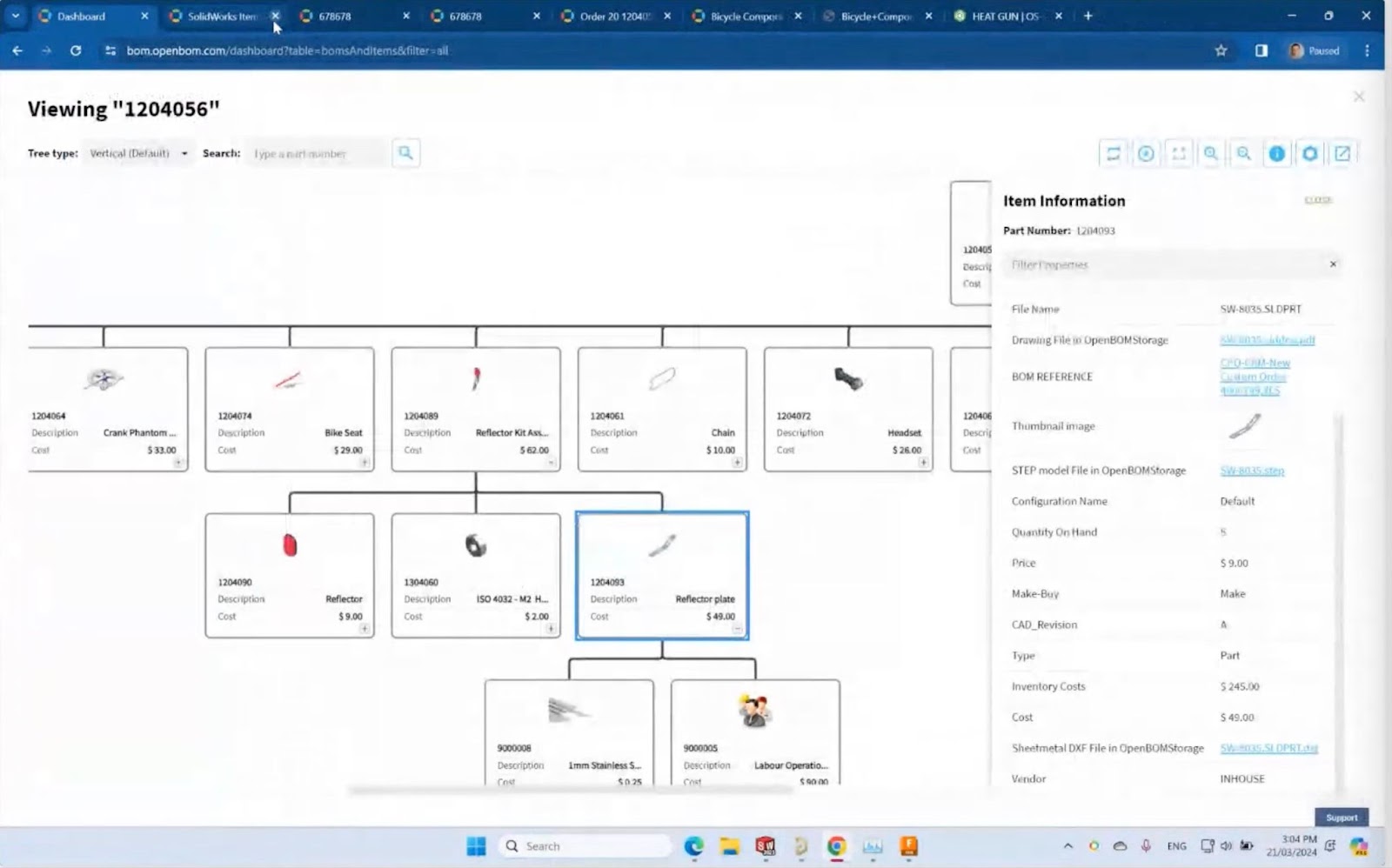
The key differentiator of OpenBOM is a flexible graph-based data model that allows you to capture complex product information to perform typical product structure functions (eg. flattened, roll-up calculations, change, and revision control) combined with super powerful and seamless CAD integrations).

From CAD to Product Structure
In a recent live demonstration, OpenBOM showcased its capability to capture diverse design information from various CAD systems and translate it into a fully digital representation. One of the key strengths of OpenBOM lies in its seamless integration with all major CAD systems, allowing it to capture different design conditions effectively. Here are some examples of specific use cases.
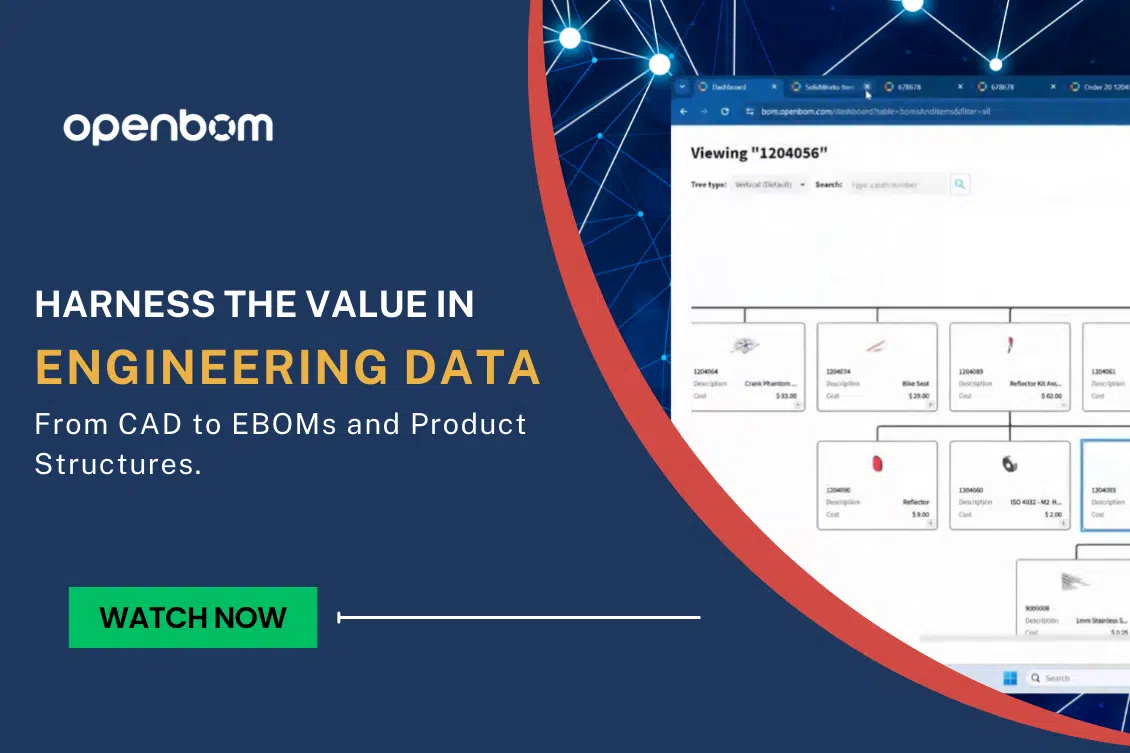
Watch the Live Demo
You can watch the recording of the live demo to witness real examples of information captured from leading CAD platforms such as Solidworks, PTC Onshape, Altium Design, and Fusion360. OpenBOM’s extensive list of supported systems ensures compatibility with a wide range of CAD environments. For users whose systems may not be listed, OpenBOM offers the flexibility to develop custom integrations based on specific requirements.
Capturing CAD Data
OpenBOM excels in capturing intricate CAD data, addressing various design complexities. Examples from the demo include:
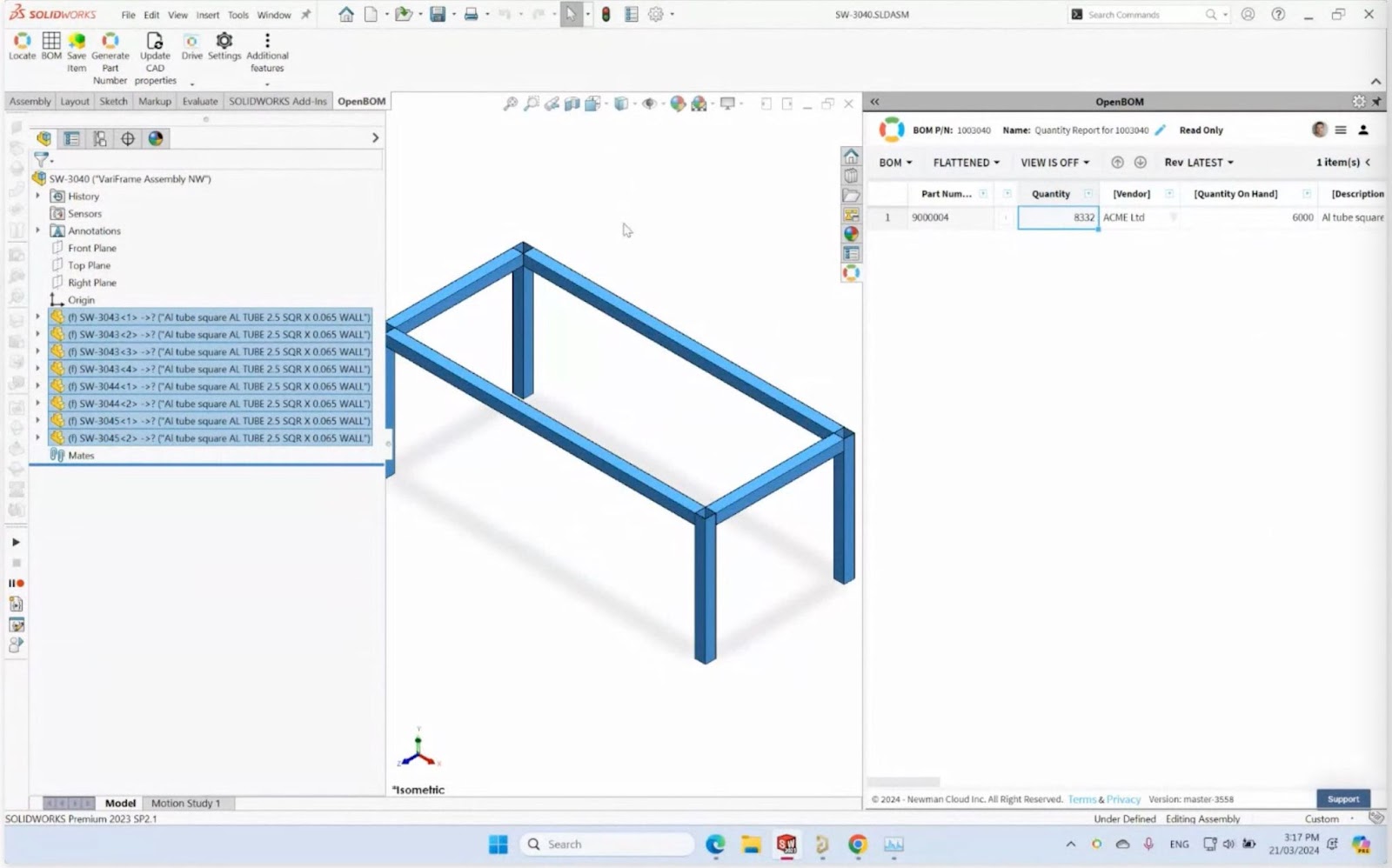
- Managing purchasing assemblies within Solidworks, Onshape, and Fusion360.
- Seamlessly attaching derivative files (STEPs, DXF, PDF, etc.) to items.
- Handling different quantity units and automatically rolling them up.
- Integrating electronic (PCB) designs with mechanical structures from MCAD systems.
Here are some examples of what OpenBOM can do in different CAD systems.
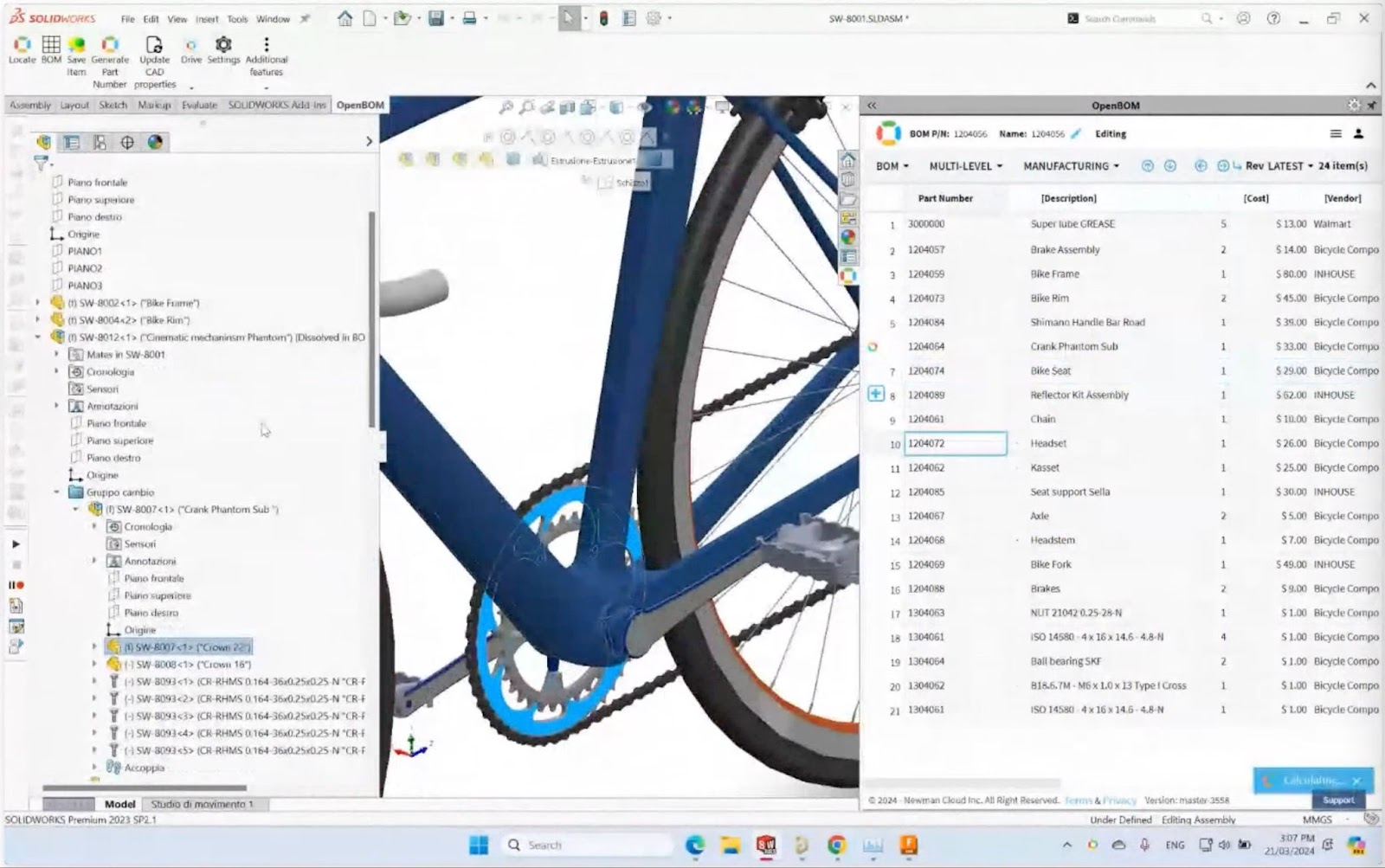
Capturing Solidworks data with purchased assembly
Capturing a product structure with sizes of components from Fusion360

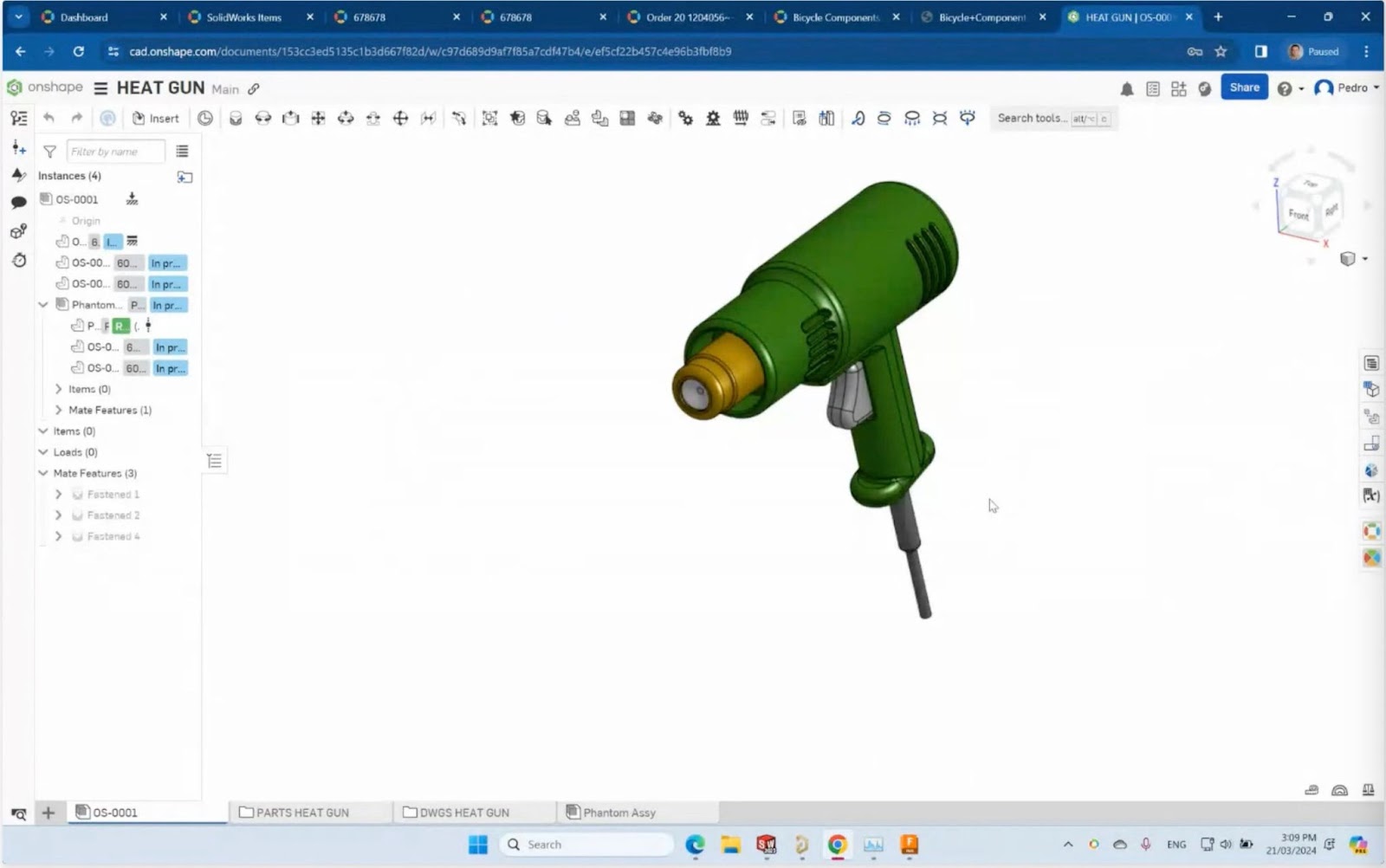
Capturing Purchasing assembly using Onshape
Capturing Measured Units (Length and not EA quantities)
Capturing Electronic Design from Altium
These capabilities ensure that OpenBOM can comprehensively capture and organize all relevant information, creating a holistic product structure.
This is only a short list of features and capabilities OpenBOM embeds in every CAD system. To learn more about them, you can navigate to OpenBOM Training Library CAD Tutorials.
4. Product Structure Browser and Information Management
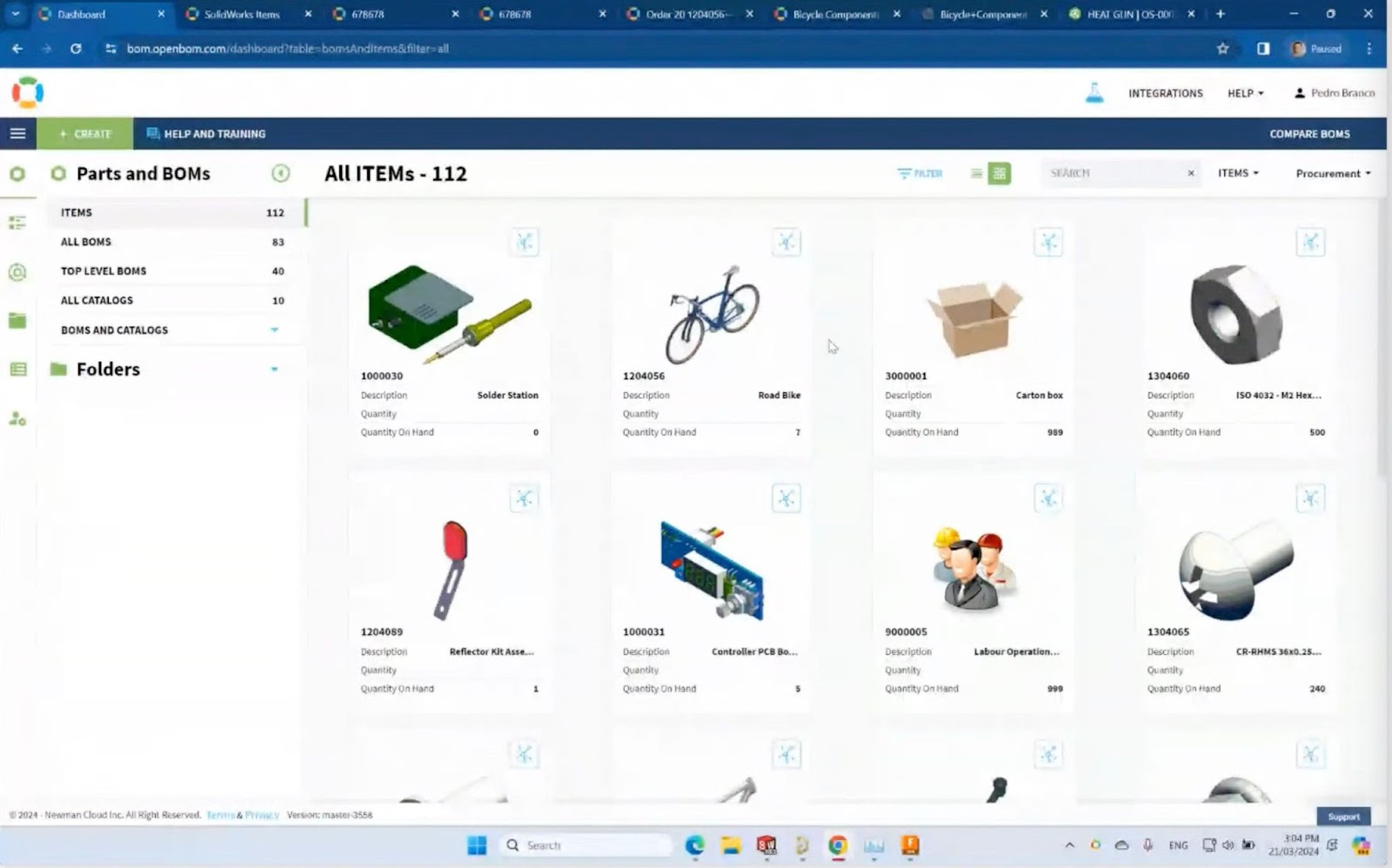
OpenBOM provides a universal mechanism for navigating and searching information, offering multiple user experiences such as grids, searchable lists, and tiles. The platform’s versatility allows users to access, share, and tailor data in real-time, catering to specific needs and preferences.
Flexible Data Model
Graph Navigator
Conclusion: Embracing the Digital Age with OpenBOM
In the face of escalating demand for digital transformation and streamlined information flow, OpenBOM emerges as a powerful solution for engineering and manufacturing organizations. With its flexible data model, graph data representation, and seamless CAD integrations, OpenBOM empowers companies to navigate the complexities of modern product development effectively.
To experience the benefits of OpenBOM firsthand, interested parties can register for free and explore how the platform can revolutionize their approach to data management and collaboration. Embrace the digital age with OpenBOM and unlock new possibilities in product development and innovation.
REGISTER FOR FREE and try a 14-day free trial of OpenBOM with all features.
Best regards,
Oleg
Join our newsletter to receive a weekly portion of news, articles, and tips about OpenBOM and our community.