In the fast-paced world of manufacturing, operational efficiency, and material cost control are crucial for staying competitive. Product development is inherently complex, requiring fast iteration and collaboration among multiple team members, particularly during the early stages of development.
Existing methods of work relying on inefficient documents such as Excel, legacy disconnected databases, and outdated tools fail to provide modern teams with the solutions they need to accelerate fast and identify issues earlier in the process. Companies must balance streamlined processes, precise cost tracking, and effective collaboration to optimize outcomes.
OpenBOM brings you a different approach that relies on organizing product information in the digital BOM and introducing agile workflows using seamless data sharing and real-time collaboration.
This article explores five key strategies to help manufacturing organizations reduce operational and material costs while focusing on the improvement of data management and early visibility of supply chain needs.
Gain Early Supply Chain Insights
The supply chain is one of the most critical elements of manufacturing success. Bringing OTS components and engaging with custom part suppliers and contract manufacturers is supercritical. Identifying bottlenecks early helps prevent costly disruptions, while optimizing procurement through access to real-time supplier data ensures better terms and avoids overstocking. Additionally, leveraging predictive analytics allows manufacturers to forecast material demand trends, enabling smarter purchasing decisions.
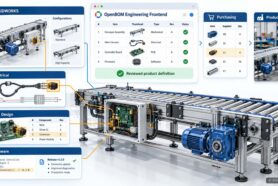
OpenBOM seamless CAD integration combined with real-time data sharing brings a new life to the way teams work together. Instead of relying on manual exports and sharing files via emails, OpenBOM seamlessly extracts information and makes it visible early in the design process for LLI (long lead items) and expensive components.
It allows the procurement team to be involved early in the process for supply chain insight. These insights empower organizations to anticipate challenges and take proactive measures.
Eliminate Errors and Mistakes
Errors in manufacturing processes or data management can lead to significant financial losses, but they can be mitigated through several key measures. Accurate data management is critical, and adopting robust digital platforms ensures a single source of truth, minimizing manual errors.
Automating workflows, such as data entry, inventory management, and BOM updates, reduces human intervention and decreases the likelihood of mistakes. Furthermore, clear and consistent communication between engineering, procurement, and production teams ensures alignment and prevents misunderstandings.
A critical element of success here is real-time collaboration by OpenBOM. Using these tools all engineers have simultaneous access to the data, can review results, and find mistakes earlier in the process and faster. It leads to an error-free process and reduces the number of reviews that need to be done later.

Improve Cost Tracking
Cost rollup and effective cost tracking are essential to maintaining profitability. The problem of existing tools is very inefficient and labor-dependent work. Most cost rollups are done in Excel because current PLM tools are not good at performing these calculations.
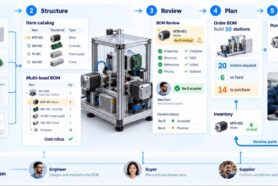
OpenBOM gives you a real-time rollup that changes as you introduce edits in the BOM structure, quantity, and supplier preferences. It enables manufacturers to monitor expenses for materials, labor, and production as they occur.
Advanced cost analytics tools break down expenses by product, project, or timeframe, offering actionable insights for better financial management. Seamless integration between CAD and finance systems including ERP can increase efficiency even more because it gives direct access to financial and cost information.
OpenBOM’s item and catalog management features provide detailed visibility into the costs associated with each component, making it easier to manage expenses at every stage of production.
Reduce, Rework, and Improve Collaboration
Working in silos has a long standing impact on decreasing the quality and needs to rework and make fixes. This is one of the largest hidden costs in manufacturing.
You can minimize it by adopting a mechanism to share files and data in a seamless way which allows you to get actionable insight, help to identify problems in real-time design reviews with updated files and design documents, and allows departments to streamline communication that ensures teams work with the most up-to-date information, while cross-department collaboration breaks down silos between engineering, procurement, and manufacturing, improving alignment and reducing misunderstandings.
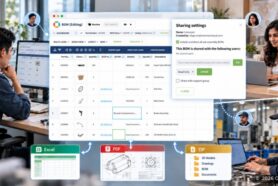
OpenBOM gives you a platform for seamless design collaboration and data sharing. OpenBOM Design Projects ensure everyone in the team has access to updated designs, specifications, and files. This approach minimizes errors and accelerates decision-making.
Enhance Collaboration Across Teams
Modern manufacturing teams are distributed. Working in different time zones and locations puts additional pressure on the team to ensure information is up to date. Old tools are extremely inefficient in the work with remote locations and multiple teams.
Collaboration is at the heart of OpenBOM’s vision and we develop unique capabilities that allow everyone to get access to the portion of the information they need. OpenBOM Team Views and real-time data sharing and collaborative editing is the foundation of the success.
OpenBOM’s flexible data model enables manufacturing teams to tailor collaboration tools to their specific needs, creating a connected and informed workforce.
Conclusion
Reducing operational and material costs requires a strategic approach that combines early supply chain insights, error elimination, cost tracking, and improved collaboration. By adopting OpenBOM’s flexible data management approach, combined with real-time data sharing and editing, seamless integration, and instant rollup, we help our customers to drive down costs and improve productivity.
REGISTER FOR FREE and discover how OpenBOM’s solutions can help you achieve your goals today.
Best, Oleg
Join our newsletter to receive a weekly portion of news, articles, and tips about OpenBOM and our community.