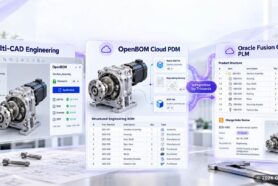
I’m excited to be at Oracle AI World 2026 in Las Vegas. At Oracle AI World 2026, OpenBOM and Trinamix announced a partnership to connect multi-CAD engineering data management with Oracle Fusion Cloud PLM. Trinamix CAD Vault for Oracle Fusion Cloud PLM uses OpenBOM’s cloud PDM services to help connect the design work engineers perform every day with the product records and change processes managed in Oracle.
The partnership brings together two complementary areas of expertise. OpenBOM develops the independent engineering data platform, including CAD integrations, cloud file management, and access to item and BOM structures. Trinamix contributes Oracle application knowledge, integration development, and implementation experience.
The teams are working on the product integration with selected customers. This work includes engineering data exchange, embedded user experiences, and validation of customer workflows. More information about the solution and its availability will be shared soon.
Connecting engineering work with enterprise product processes
A product change often begins with a small engineering action: modifying a component, replacing a purchased part, or adjusting an assembly. Its consequences extend to the product structure that manufacturing, purchasing, and other teams use.
Engineers need to manage the CAD files behind that change, coordinate their work, and identify which design information is ready to share. Enterprise teams need consistent item identities, an understandable BOM, and a controlled process for reviewing proposed modifications.
For Oracle PLM customers, the connection between these activities is essential. The partnership focuses on bringing engineering work in progress into a managed environment and preparing the information needed for Oracle product development and change control. The intended workflow connects design activity with enterprise review while keeping the supporting engineering information accessible.
An independent platform for multi-CAD engineering
OpenBOM is an independent provider of online engineering and product data management services. Its cloud PDM capabilities form part of a broader platform covering items, BOMs, revisions, collaboration, change management, procurement, inventory, and integrations with business systems.
This broader context matters because engineering files carry information that other business processes need. An assembly relates to component identities, quantities, and product revisions. A drawing supports the definition of a part. Managing those relationships makes engineering information useful beyond its original authoring environment.
OpenBOM’s CAD-agnostic approach supports organizations working across different design tools and engineering disciplines. Its integration portfolio includes tools such as SOLIDWORKS, PTC Creo, Autodesk Inventor, Solid Edge, Onshape, Autodesk Fusion, and Altium Designer. Supported functions reflect each CAD environment and its integration.
A manufacturer can therefore connect information from mechanical design, electronics, and external engineering partners through a common platform. Trinamix uses these OpenBOM services as the foundation for its Oracle-focused solution, bringing established engineering capabilities into an Oracle customer workflow.
For example, a company may design its core machinery in SOLIDWORKS while another engineering group uses Creo and a supplier provides electronics information. The enterprise still needs a coherent product structure. A common engineering data layer gives the integration a consistent place to obtain that information while each group continues its design work in the tools appropriate to its discipline.
Keeping data management close to the engineer
The user experience begins inside CAD. OpenBOM provides add-ins and embedded interfaces in supported CAD environments so engineers can manage relevant data alongside the design they are creating.
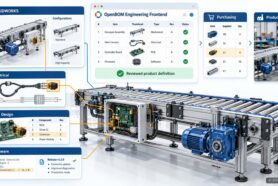
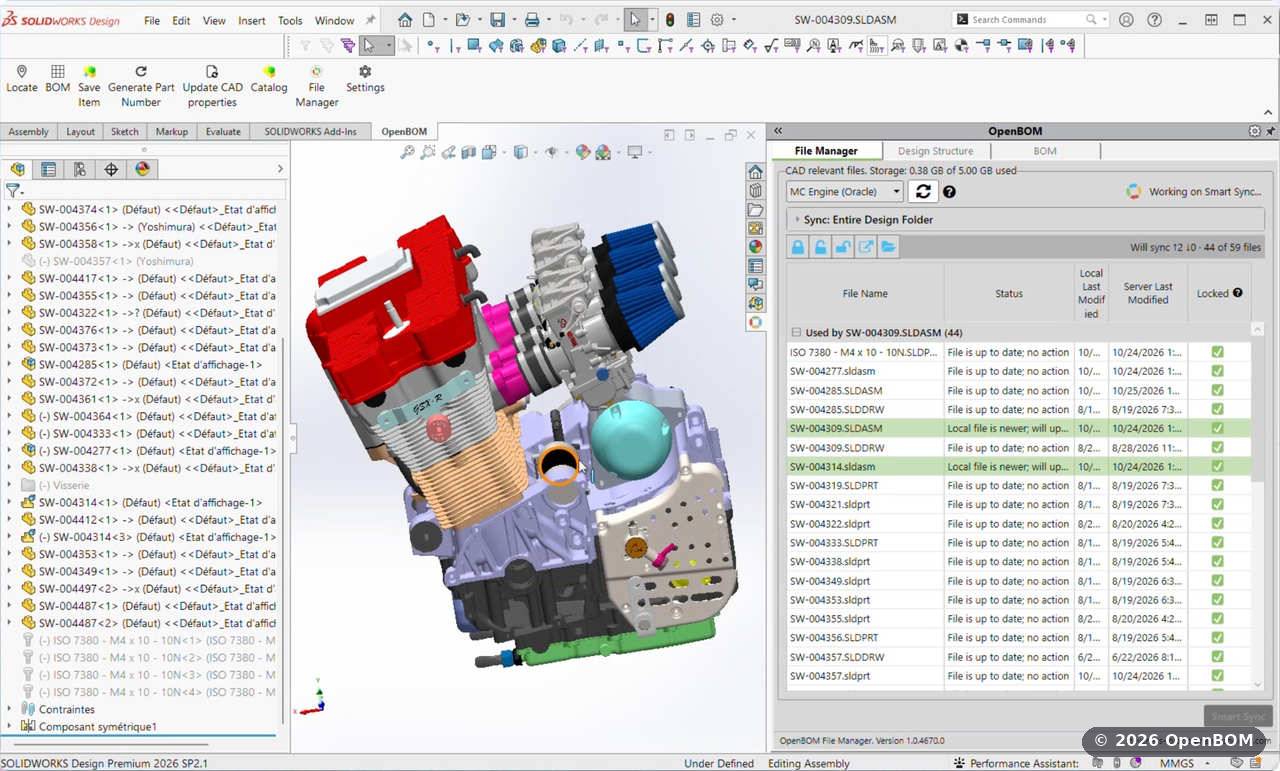
In SOLIDWORKS, for example, the embedded OpenBOM interface brings file management into the engineering workspace. Engineers can coordinate file editing, synchronize work, and access engineering structure information in the context of their assembly. The interface keeps routine data management close to the actions that create and modify the design.
This proximity helps explain the sequence shown in Trinamix’s Oracle AI World brochure: Lock, Sync, Version, EBOM, Release. Each activity prepares information for the next stage, beginning with coordinated design work and progressing toward a product definition that can enter enterprise change control.
The embedded CAD experience and the Oracle integration serve different users along this sequence. Engineers work with their design tools; Oracle users review the product information required by their responsibilities. The integration aims to preserve context as work passes between them.
Cloud PDM for files and engineering work in progress
OpenBOM cloud PDM organizes CAD files and related documents in design projects. SmartSync coordinates local working folders with cloud information, combining local file access with shared engineering data management.
File locking and check-in/check-out mechanisms help engineers coordinate editing. Version history preserves earlier file states, while project revisions provide defined engineering milestones. Project access supports collaboration across locations and with authorized external participants.
Supported CAD integrations can also generate derivative files, such as STEP and PDF, for downstream use. These representations help colleagues work with engineering information when they do not use the native CAD application.
These capabilities address a familiar situation: several people need to work with the same assembly and understand which files belong to the current design. Coordinated access and recorded history give the team a basis for sharing engineering information and preparing a release.
History also matters after a design has moved forward. If a reviewer asks which drawing or model supported a particular engineering revision, retained file states help the team answer that question. Preserving this relationship is part of preparing a meaningful handoff to enterprise product management.
From CAD assemblies to exposed item and BOM structures
CAD assemblies describe how components fit together. OpenBOM integrations capture component properties and assembly relationships and connect them with structured item and BOM information.
Preparing an engineering BOM also requires decisions about product identity and content. Teams need consistent part numbers, the correct quantities, and the attributes required for their engineering process. Purchased components and other product content may need to supplement what the CAD structure provides.
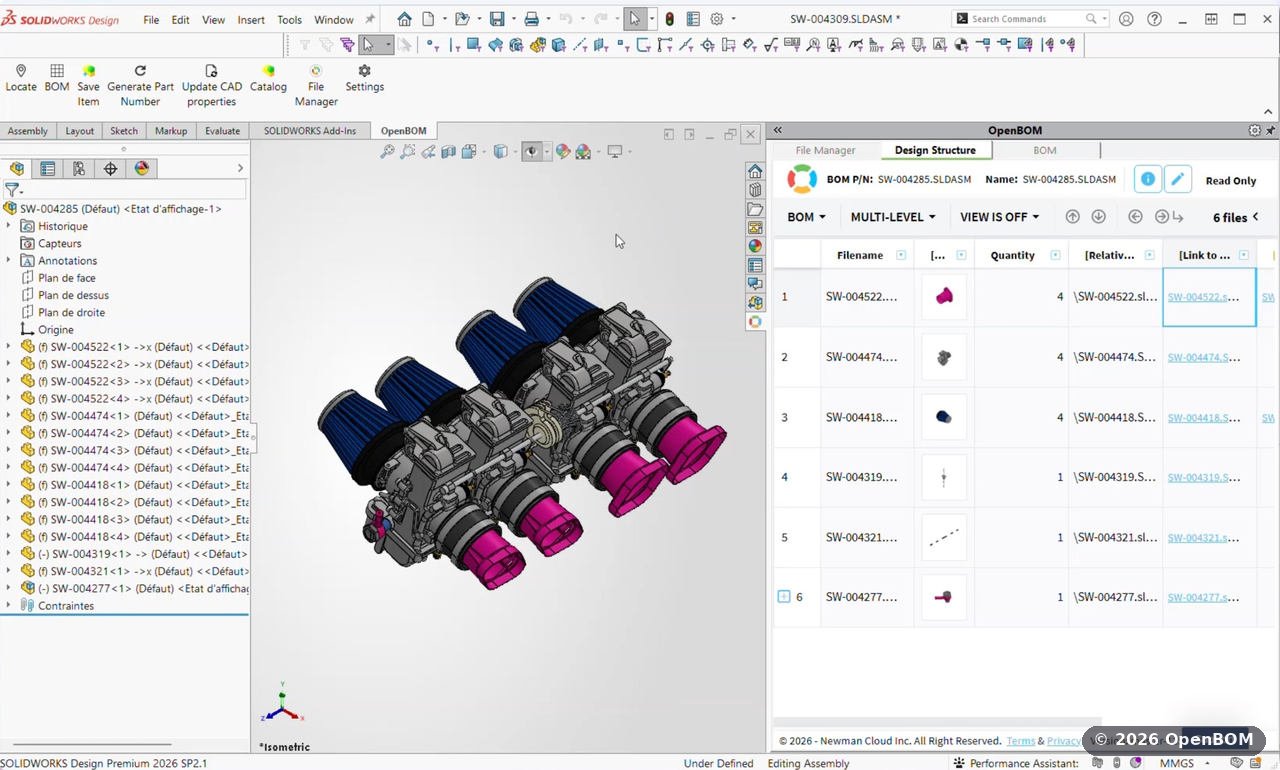
For the Oracle integration, OpenBOM’s contribution includes exposing item and BOM structures through APIs. This gives Trinamix access to the engineering information needed to map records into Oracle PLM, including relevant properties, assembly relationships, and revision context.
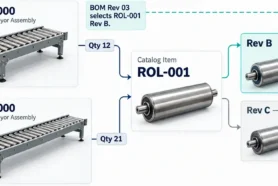
The distinction between records remains important. A CAD file version records a saved design state. An engineering BOM revision defines a particular engineering structure. An Oracle change order controls proposed enterprise changes. Connecting these records requires explicit mapping so reviewers can understand the relationship between the design and the product definition they are approving.
Trinamix connects the Oracle data and user experience
Trinamix brings expertise in Oracle Fusion Cloud PLM, Product Hub, and related enterprise processes. Its implementation work covers product data, engineering change workflows, migration, and connections with downstream business applications.
Within this partnership, that expertise supports the development of the Oracle-side integration. Trinamix maps the engineering information exposed by OpenBOM to Oracle items and BOM structures and connects the handoff with the customer’s configured change processes. The brochure identifies Oracle Integration Cloud, or OIC, as the integration route for bringing engineering BOM information into Fusion.
The joint work also addresses UI/UX integration. The intended Oracle experience includes embedding relevant OpenBOM views and interactions within the context of Oracle PLM. A user reviewing a product record should be able to reach the engineering information needed to understand it with fewer disconnected navigation steps.
Trinamix’s Oracle knowledge and development are central to creating that seamless experience. The teams are refining it with selected customers, alongside the underlying data connection.
Data integration and interface integration therefore address related needs. The data connection carries the structured product information. The embedded experience helps a person understand and use that information during a specific task, such as evaluating a proposed component replacement. Both are part of the development direction for the joint solution.
From engineering differences to Oracle change approval
OpenBOM already provides BOM comparison capabilities. Teams can compare BOMs or revisions and identify added or removed components, quantity differences, and changes in properties. This gives engineers a way to review the differences in a proposed product definition before handing them to another process.
The Oracle integration being developed connects that engineering preparation with BOM redlining and change orders. Relevant engineering information is mapped into Oracle, where proposed modifications can be presented within the customer’s change workflow.
Redlining shows the changes proposed to product information before implementation. Oracle supports adding and removing components through structure redlining on a change order. Reviewers assess those modifications within the configured approval process.
The practical separation of responsibilities is straightforward. OpenBOM captures engineering information, supports comparison, and exposes item and BOM structures. Trinamix develops the connection to Oracle and aligns it with customer processes. Oracle PLM manages formal review, approval, and implementation according to its configuration.
Saving a design file and approving an enterprise change are separate events. The integration must connect them with enough context for the people making the release decision.
The comparison baseline matters as well. Reviewers need to know which engineering revisions are being compared and which Oracle product record the proposal affects. Establishing those relationships is part of customer workflow validation, so a visible difference can be interpreted as a specific proposed business change.
Following an assembly change through the intended workflow
Consider an illustrative change to an industrial assembly. An engineer modifies a mounting bracket, replaces a purchased component, and increases a fastener quantity from four to six.
The work begins in CAD. Using the supported embedded OpenBOM interface, the engineer coordinates access to the affected files and synchronizes the updated design with cloud PDM. Recorded file versions preserve the design history behind the modification.
The updated assembly information then supports preparation of the engineering BOM. The engineer checks item identities and quantities, including the replacement component and the additional fasteners. Comparing the proposed BOM with the previous engineering revision makes the structural differences visible for review.
Through the intended Trinamix integration, the relevant item and BOM information is mapped into Oracle PLM. Proposed structure changes are brought into an Oracle change order and presented as redlines for review. Authorized participants follow the customer’s approval process before implementation.
The connected user experience is intended to help those reviewers access the engineering information supporting the change from their Oracle context. The bracket’s design information and the proposed BOM modifications together help explain what is being requested.
This example describes the workflow the teams are developing and validating with selected customers. Its detailed behavior, including mappings, supported change operations, and embedded views, depends on the integration configuration.
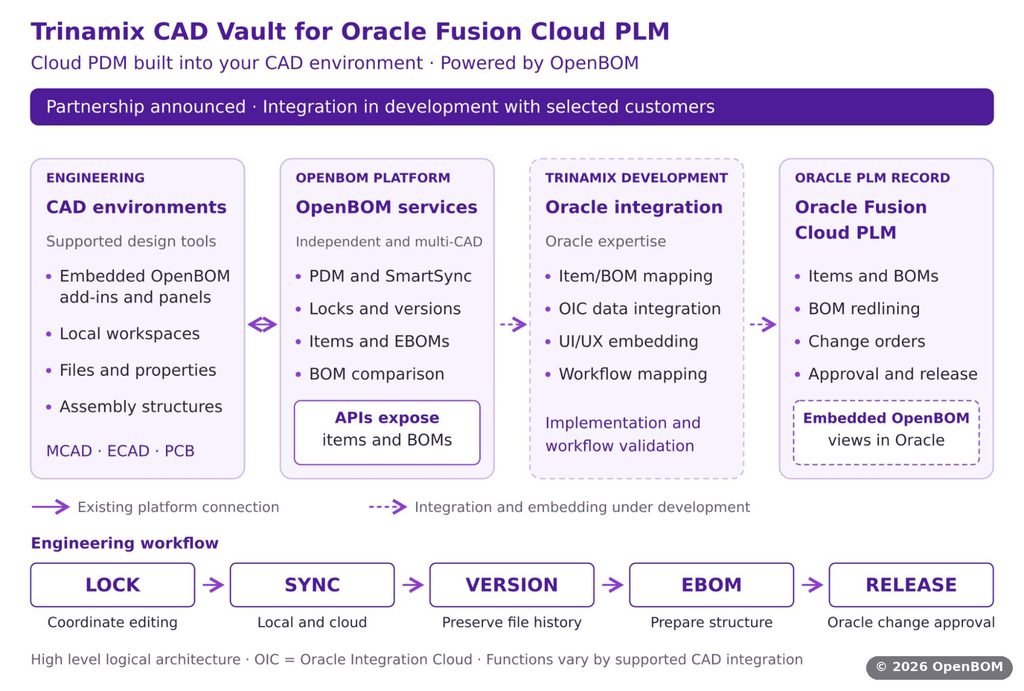
High level system architecture of Trinamix solution
In the picture below you can see an overall architecture explaining how the solution will be delivered by Trinamix team.
Working with selected customers on the next stage
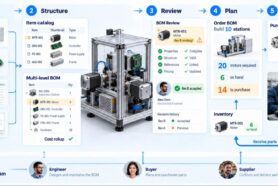
Customer participation helps the teams validate the complete workflow against actual engineering practices. A representative assembly provides a practical starting point: examine its CAD files, prepare its engineering structure, make a controlled change, and follow the proposed update into Oracle.
That exercise also identifies the decisions an implementation needs to resolve. Teams must establish how part numbers match, which attributes are required, which engineering revision is used for comparison, and how changes enter the Oracle approval process. Testing those decisions together helps clarify responsibilities at each handoff.
At OpenBOM, our contribution is the independent, multi-CAD engineering platform and the services that expose engineering information for integration. Trinamix contributes the Oracle expertise and development that connect those services with Oracle product processes and the enterprise user experience.
The partnership has been announced, and product integration is progressing with selected customers. We look forward to sharing more about the connected CAD, PDM, and Oracle PLM experience as this work advances.
Looking to learn more about OpenBOM and Trinamix partnership?
Contact Joseph.raj@trinamix.com and oleg@openbom.com
Best, Oleg
Join our newsletter to receive a weekly portion of news, articles, and tips about OpenBOM and our community.