In today’s fast-paced manufacturing environment, companies are increasingly seeking ways to work in a more connected and efficient manner. The need for seamless data sharing across various stages of the manufacturing process has become paramount. To stay competitive, manufacturers must adopt tools that facilitate real-time collaboration and data exchange with their suppliers. OpenBOM provides a unique, robust, and scalable solution for these challenges, enabling companies to thrive in a connected ecosystem.
Why OpenBOM Stands Out
OpenBOM is an innovative platform designed to meet the specific needs of modern supply chains. As an online, public SaaS, multi-tenant data management system, it offers an out-of-the-box model that is ready to use for a variety of supply chain use cases. This platform’s core strength lies in its ability to provide a seamless and scalable solution for data sharing, making it an essential tool for manufacturers looking to optimize their operations and improve supplier collaboration.
In my article today, I want to bring the three most specific use cases for data management and collaboration not only inside the company but also with suppliers, design contractors, and contract manufacturers.

Use Cases for Sharing Data with Suppliers
1. Design Suppliers (Sharing CAD Files)
Design suppliers often need to share CAD files to ensure that all parties involved in the product development process are on the same page. OpenBOM facilitates this by enabling the creation and management of design projects, allowing for the synchronization of data between local folders and servers. This automatic syncing capability, known as SmartSync, ensures that multiple locations are always up-to-date and helps identify any missing data, thus streamlining the design process and reducing errors.
2. Product Engineering and Manufacturing (Sharing EBOM/MBOM)
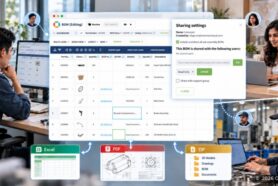
Product engineering and manufacturing processes require the sharing of complex product structures, including Engineering Bills of Materials (EBOM) and Manufacturing Bills of Materials (MBOM). OpenBOM offers a comprehensive model for sharing multi-disciplinary data, including specifications and all related information with a detailed change history. This ensures that all stakeholders have access to the most current and accurate information, facilitating better decision-making and smoother production workflows.
3. Procurement and Contract Manufacturing (Sharing RFQs and Orders)
For procurement and contract manufacturing, the ability to share Requests for Quotations (RFQs) and orders is crucial. OpenBOM enables companies to create and share orders for specific production batches or products. These orders are generated from BOMs and can incorporate multiple sources for each item. This model not only streamlines the procurement process but also ensures that contract manufacturers have all the necessary information to fulfill orders accurately and efficiently.
Deep Dive: Sharing CAD Design Files
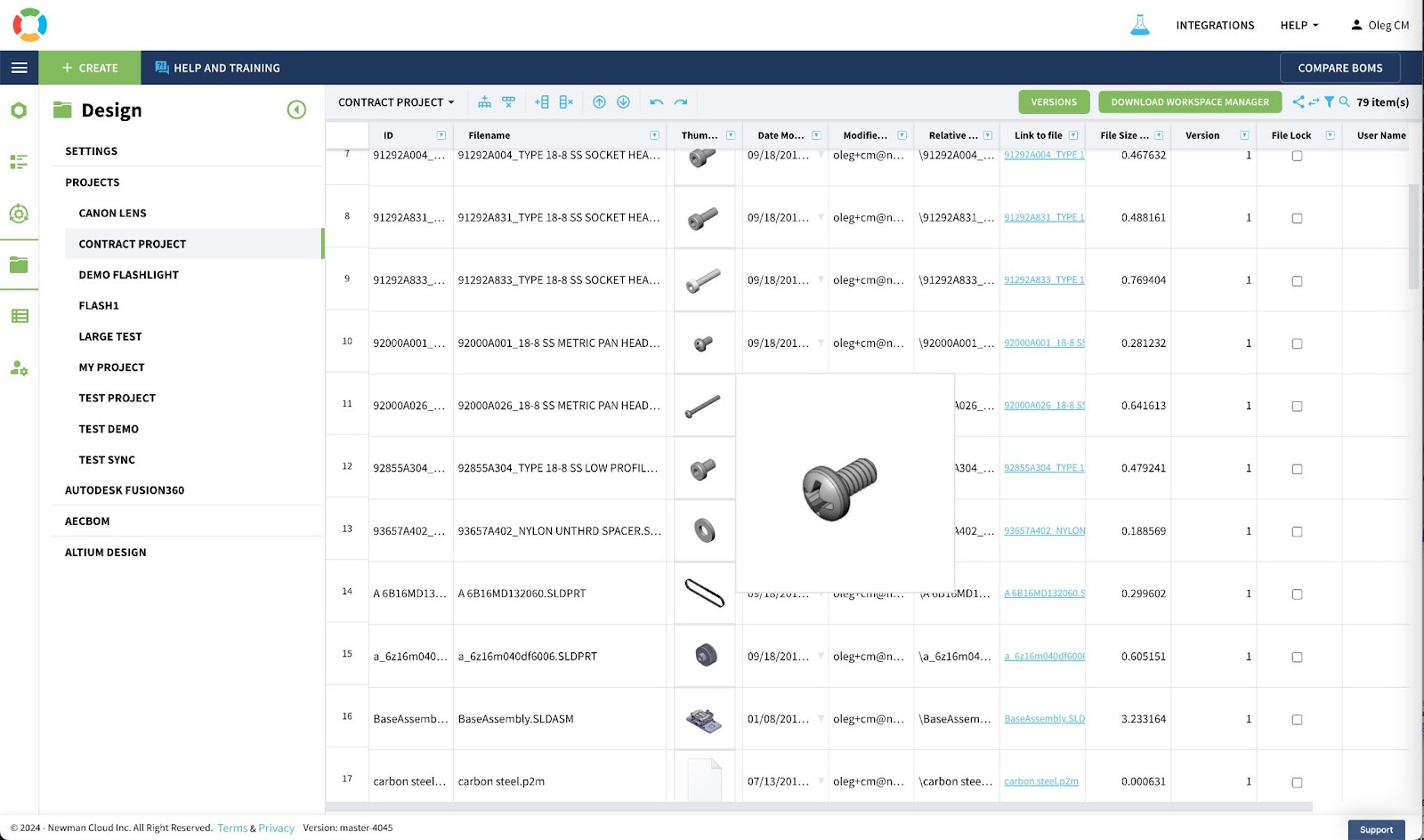
Sharing CAD design files with suppliers is a critical aspect of the design process. OpenBOM’s Design Projects feature allows for the synchronization of data between local folders and servers, enabling real-time collaboration. With SmartSync, data is automatically synced between multiple locations, ensuring that all stakeholders have access to the latest design files. This feature also helps identify missing data, preventing potential issues and ensuring that the design process runs smoothly.
Deep Dive: Sharing EBOM/MBOM and Product Structure
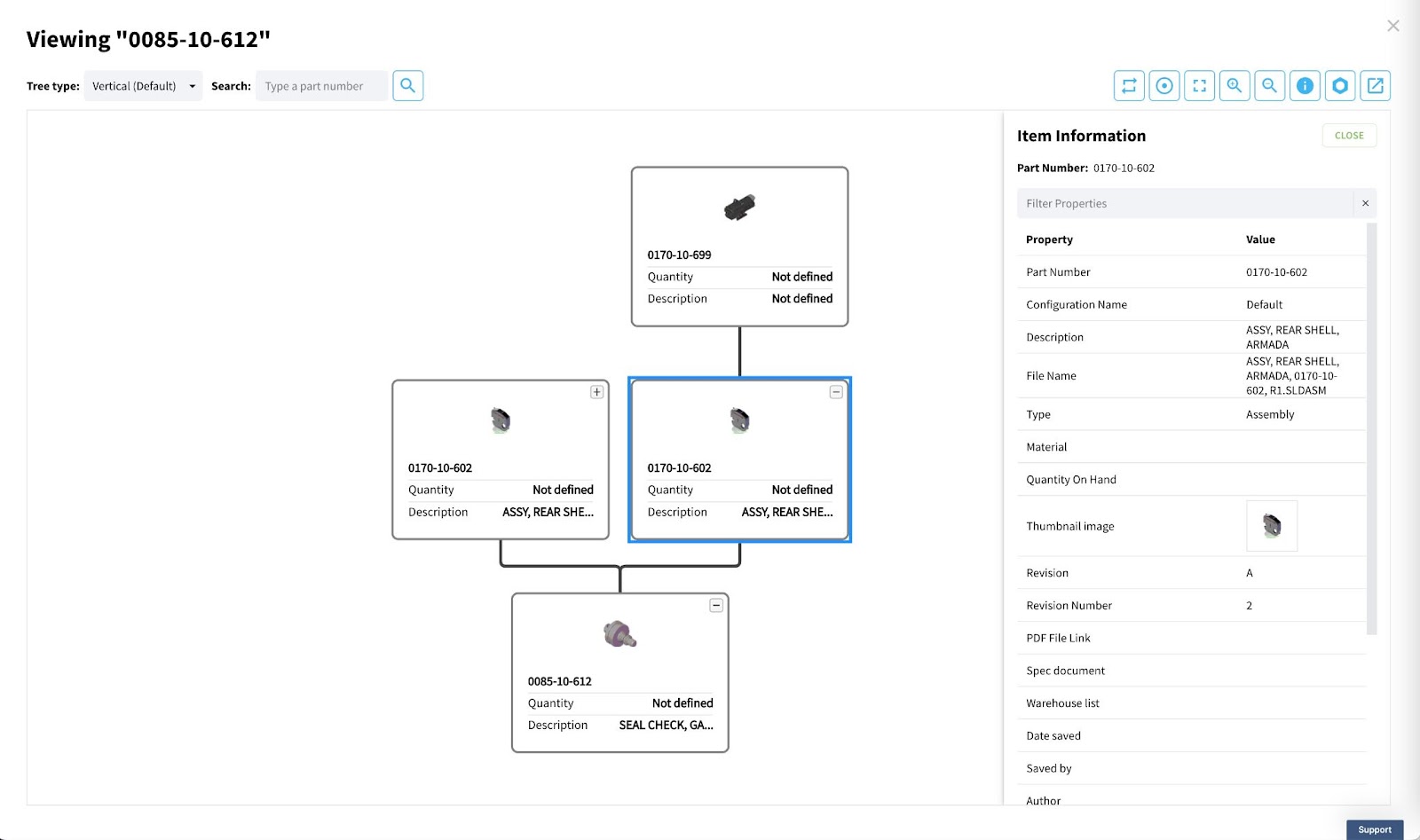
The sharing of EBOM and MBOM, along with the complete product structure, is essential for effective product engineering and manufacturing. OpenBOM provides a comprehensive model that allows for the sharing of multi-disciplinary data, including specifications and related information. The platform’s ability to track changes and maintain a detailed history ensures that all stakeholders are always informed of the latest updates, facilitating better collaboration and decision-making.
Deep Dive: Sharing Orders with Suppliers and Contract Manufacturers
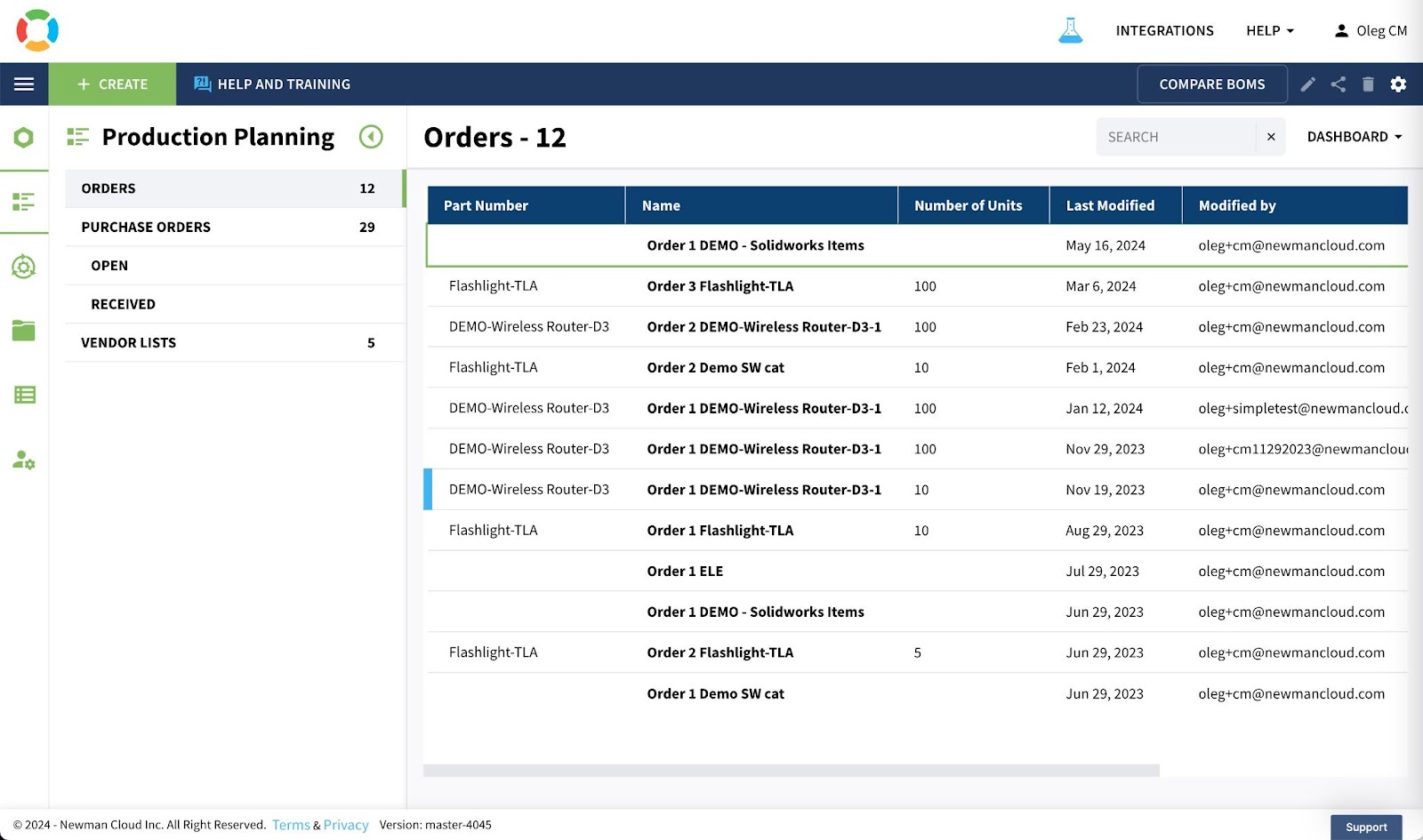
Sharing orders with suppliers and contract manufacturers is a vital step in the procurement process. OpenBOM’s robust mechanism for creating and sharing orders from BOMs ensures that all necessary information is communicated effectively. This model allows companies to generate orders for specific production batches or products, incorporating multiple sources for each item. This streamlined approach not only improves efficiency but also ensures that suppliers and contract manufacturers can fulfill orders accurately.
Conclusion
OpenBOM provides a powerful and versatile platform for sharing information across various use cases, including design, production engineering, procurement, and contract manufacturing. Its robust and scalable solution enables manufacturers to work in a connected and efficient manner, ensuring that all stakeholders have access to the information they need to succeed. By leveraging OpenBOM, companies can enhance their collaboration with suppliers, streamline their operations, and stay competitive in the modern manufacturing landscape.
REGISTER FOR FREE and start your connected manufacturing journey.
Best, Oleg
Join our newsletter to receive a weekly portion of news, articles, and tips about OpenBOM and our community.