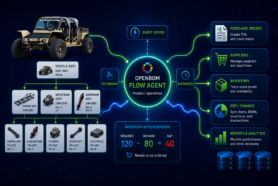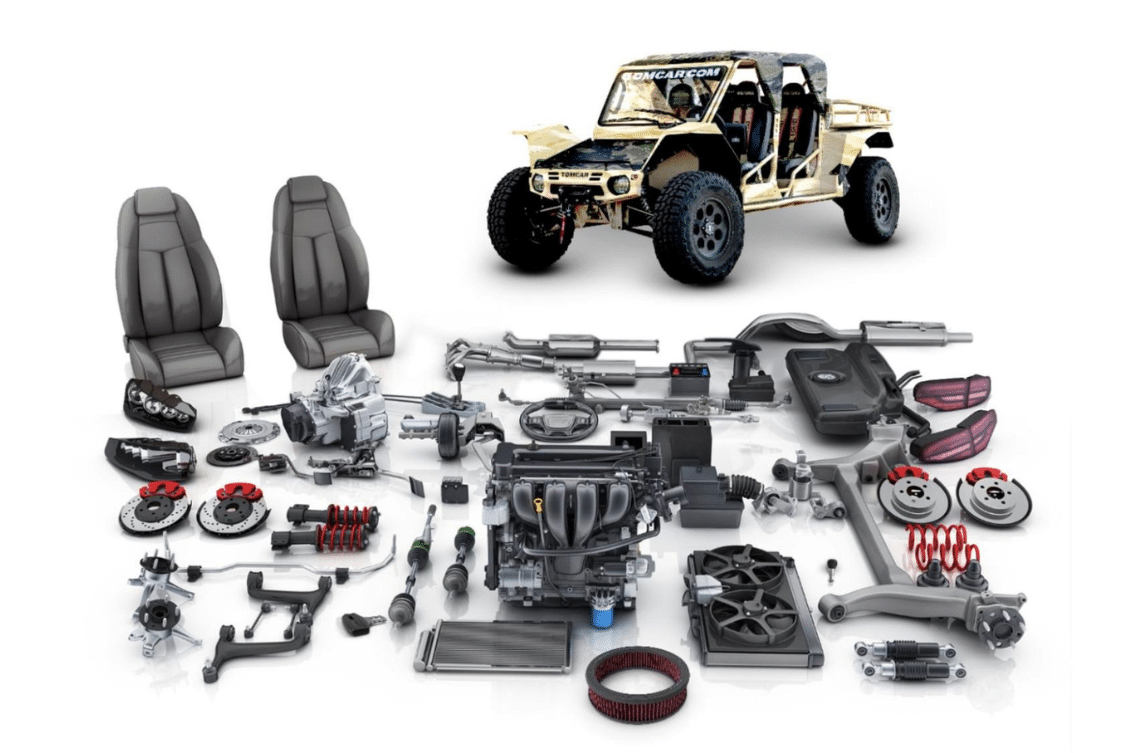
The world is changing rapidly, and one of the key challenges engineering and manufacturing businesses face today is complexity. There are three primary aspects of complexity: (1) product complexity, (2) process complexity, and (3) people complexity. In my article today, I will focus on the first aspect – product complexity.
Complex Products
In the past, products were relatively simple. Whether they were mechanical products or PCB boards, the design and manufacturing processes were straightforward. Engineers created 3D models followed by detailed drawings, which were then approved, released, and sent to the shop floor. Modern products, however, are significantly more complex. Today’s complex equipment often combines multiple systems—mechanical, electrical, and software components. Some products even include cloud-based software. All these elements must work together seamlessly, which adds layers of complexity to product design and manufacturing.

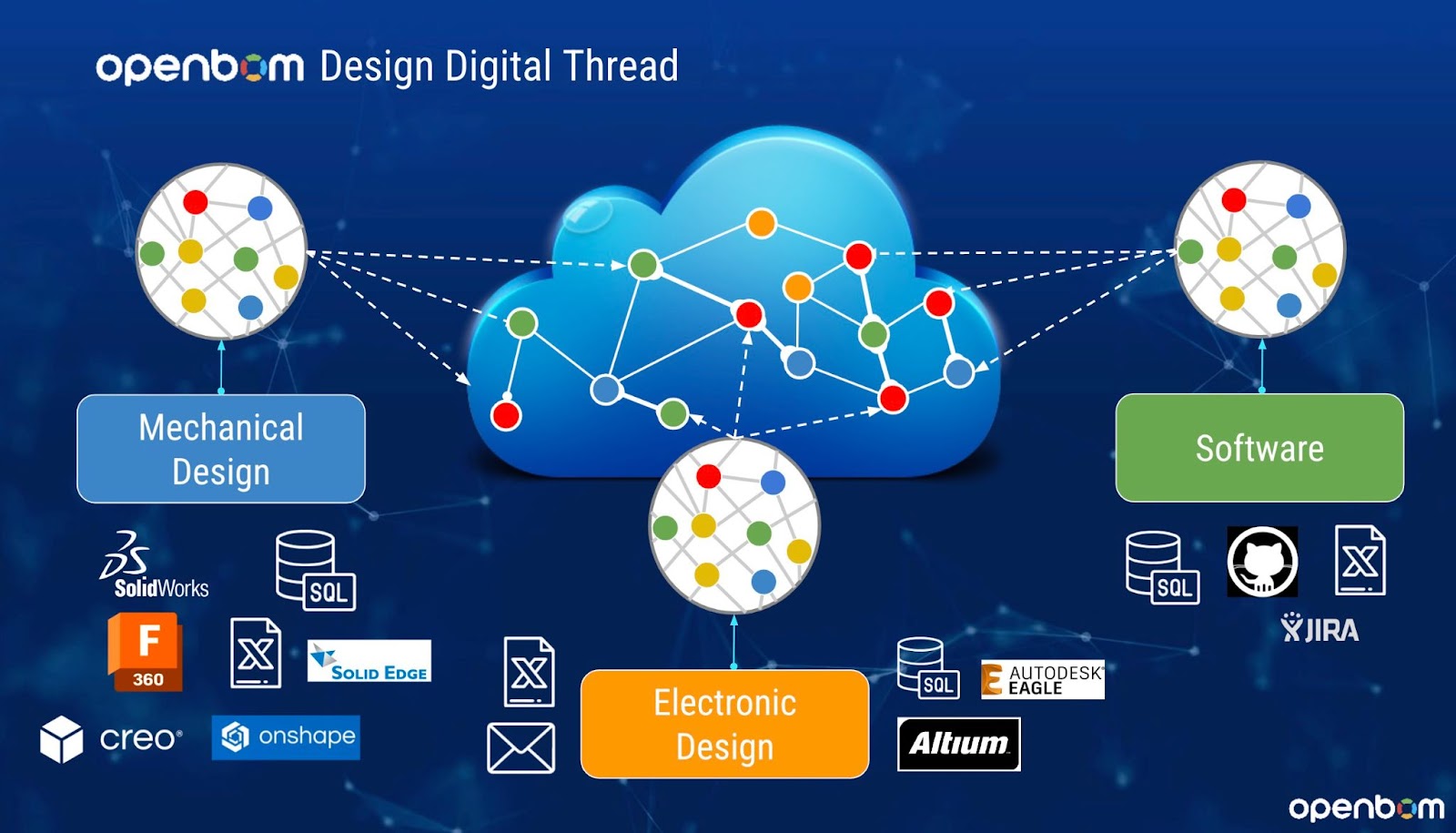
Design Digital Thread
The concept of the digital thread allows for the integration of multiple pieces of information across various systems. In the context of design, this means combining data from different design systems into a coherent whole. OpenBOM utilizes graph technologies to facilitate this integration, creating a comprehensive digital thread that links all aspects of product design and development.
The Importance of Engineering BOM (EBOM)
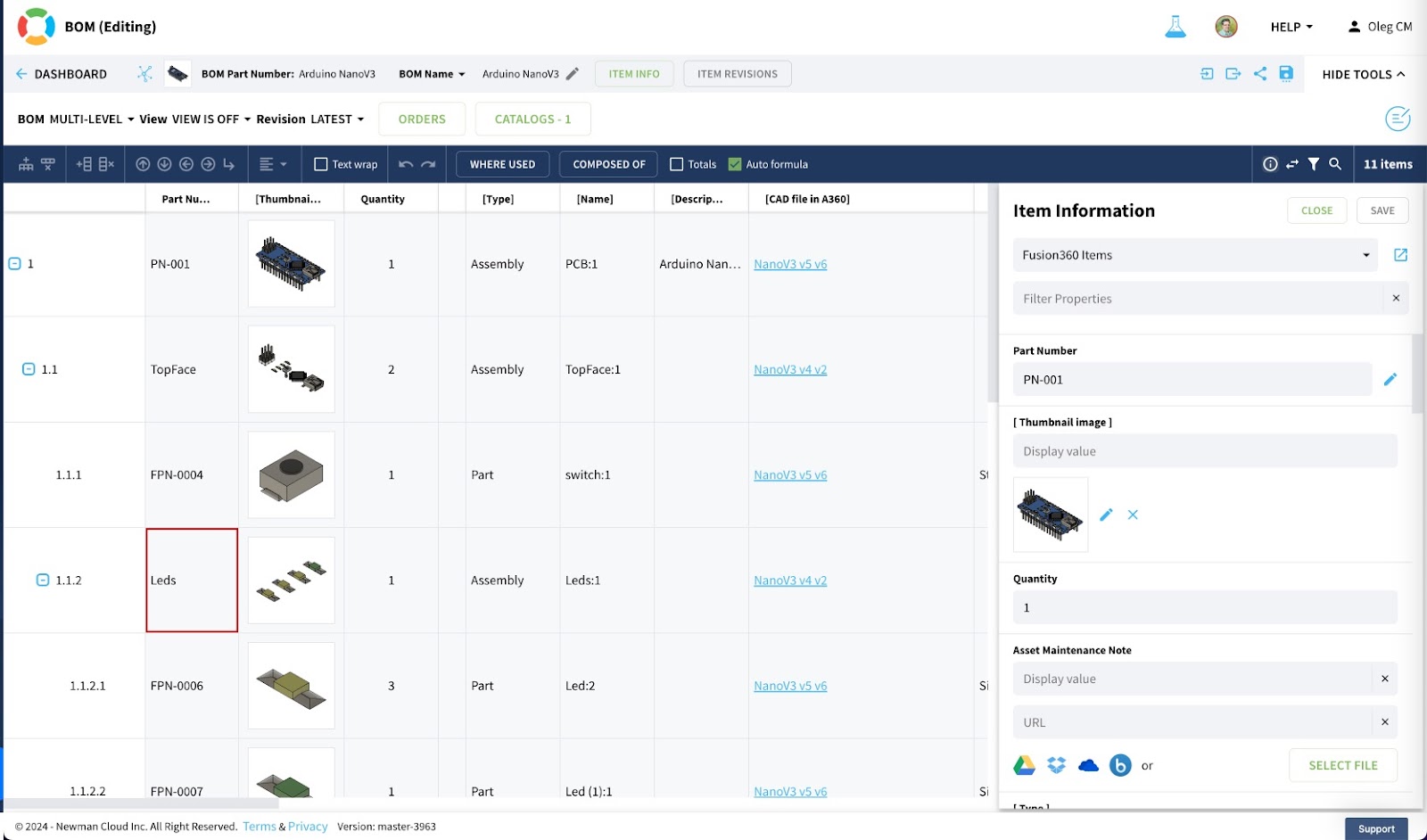
A key element in building an effective engineering solution is the provision of accurate information about the product. However, product complexity makes this task challenging. Engineers must coordinate changes coming from multiple design systems, ensuring that all updates are accurately reflected in the engineering bill of materials (EBOM).
This is where OpenBOM’s modern, graph-based BOM management system comes into play. It offers real-time collaboration and change management, allowing teams to manage complex product data efficiently.
Why is OpenBOM Different?
When it comes to managing complex product structures and organizing a multi-disciplinary bill of materials, you can face many questions. Without answering questions about data management, and connecting multiple systems and information, systems won’t be able to provide the desired outcome.
OpenBOM offers several unique features that set it apart in the realm of collaborative engineering BOM management:
Flexible Data Model: OpenBOM’s flexible data model allows it to adapt to various product design and development needs, accommodating different types of data and structures.
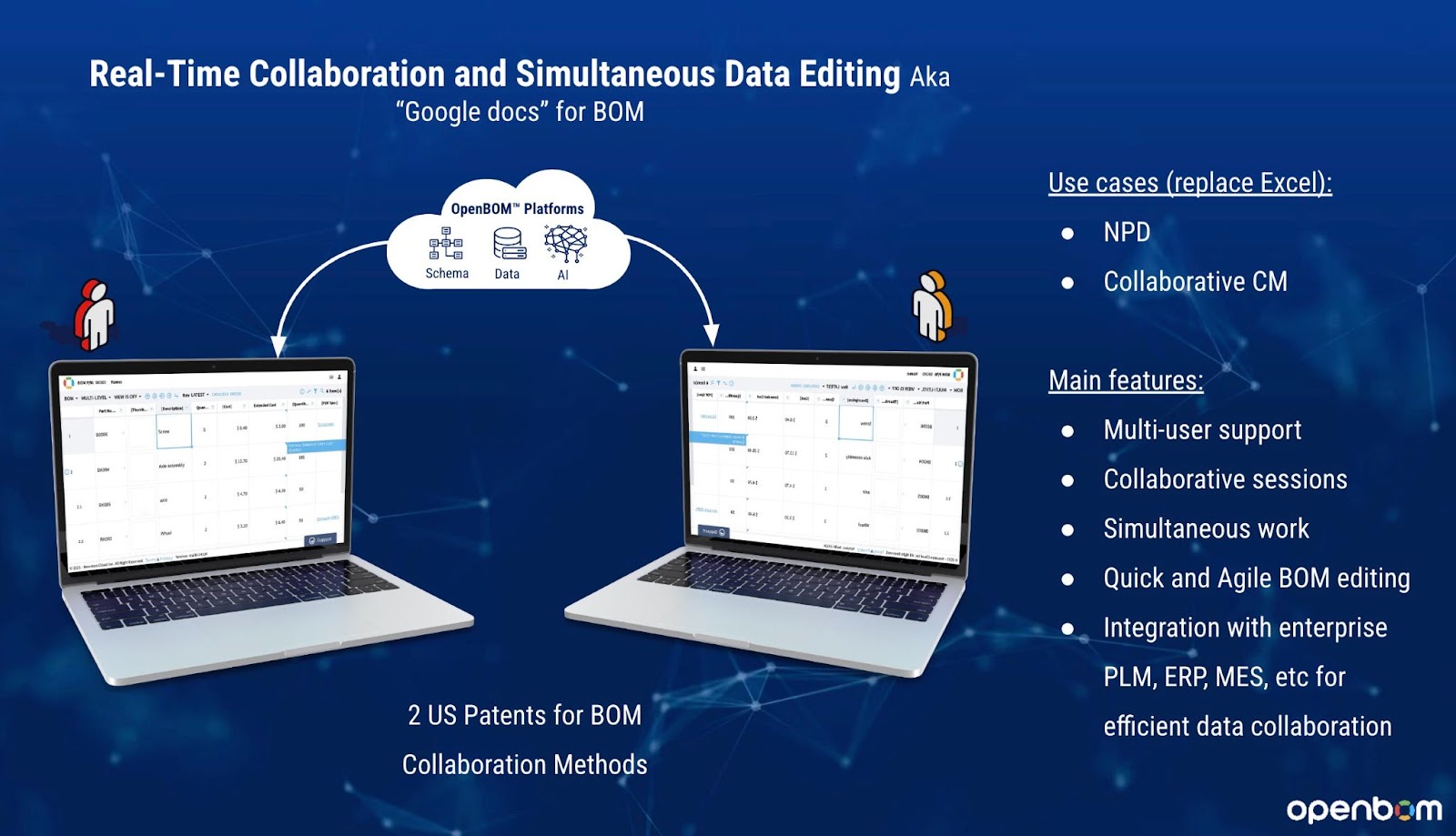
Real-Time Collaboration and Simultaneous Editing: Teams can collaborate in real-time, with multiple users editing the BOM simultaneously. This feature ensures that everyone is working with the most up-to-date information.
Seamless Integration with All Design Systems: OpenBOM integrates seamlessly with various design systems, ensuring a smooth flow of information and minimizing data silos.
Collaborative Workspace and New Type of Revision Control: The collaborative workspace allows teams to work together efficiently, while the new revision control system ensures that all changes are tracked and managed effectively.
Advanced Analytics – Cost, Compliance, Supply Chain: OpenBOM provides advanced analytics capabilities, offering insights into cost, compliance, and supply chain management. These analytics help teams make informed decisions and optimize product development processes.
Conclusion
OpenBOM provides a unique and modern collaborative solution to address the challenge of product complexity in the engineering and manufacturing world. By connecting design systems to a scalable, flexible, and efficient data management platform, OpenBOM simplifies the management of complex products. Explore OpenBOM to see how it can transform your engineering and manufacturing processes.
REGISTER FOR FREE and check how OpenBOM can help you today.
Best regards,
Oleg
Join our newsletter to receive a weekly portion of news, articles, and tips about OpenBOM and our community.