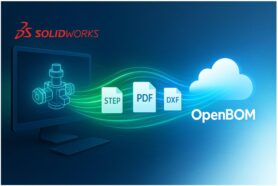
A huge percentage of a product’s total cost is locked in during the initial design phase. Every choice an engineer makes, from material selection to manufacturing process, has a direct and often irreversible impact on the bottom line. The problem is that engineers are frequently forced to make these critical decisions without real-time financial data, essentially designing in the dark. This is the core challenge that product cost management software is built to solve. By integrating directly with CAD and PLM tools, it provides immediate cost feedback, empowering your team to balance innovation with profitability right from the first sketch and preventing expensive surprises down the line.
Key Takeaways
- Make Cost a Core Part of Your Design Process: Instead of treating cost as an afterthought, use software to give your engineers financial insights from the very beginning. Integrating cost data with your BOM and CAD files allows your team to make smart, profitable decisions early, preventing expensive rework down the line.
- Connect Your Data for Real-Time Visibility: The real power of cost management software comes from its ability to create a single source of truth. By integrating with your existing systems, you eliminate guesswork and see the financial impact of any design or supplier change instantly, helping you avoid budget surprises.
- Focus on Your Goals to Find the Right Fit: Before you start looking at software, define what you need to achieve, whether it’s faster quoting or better material sourcing. This clarity helps you choose a solution that solves your specific challenges and ensures you invest in a tool your team will actually use and benefit from.
What Exactly Is Product Cost Management Software?
Let’s break it down. At its core, product cost management software is a tool that helps you accurately figure out, track, and control the costs associated with bringing a product to life. Think of it as the financial command center for your entire product development process. It moves you beyond messy spreadsheets and guesswork, giving you a clear, data-driven view of your expenses from the initial design concept all the way through manufacturing and delivery.
This type of software works by pulling together information from different parts of your business, like design files, supplier quotes, and production data. It helps you see how a small change in a material or a different manufacturing process could impact your bottom line. The main goal is to enhance cost efficiency across the entire product lifecycle. By getting a handle on costs early and often, your team can make smarter decisions, streamline operations, and ultimately get products to market faster without sacrificing profitability. It’s all about creating a single source of truth for one of the most critical metrics in your business: cost.
Cost Estimation vs. Cost Management: What’s the Difference?
It’s easy to use these terms interchangeably, but they represent two distinct, important functions. Think of cost estimation as the predictive part of the equation. It’s where you forecast what a product should cost. Your team might use estimation to compare the costs of different design concepts, weigh options between manufacturing methods, or see how quotes from various suppliers stack up against each other. It’s the “what-if” stage where you explore possibilities.
Cost management, on the other hand, is about active control and strategy. It focuses on making sure your product actually meets its profit goals or stays within its target cost. While estimation gives you a benchmark, BOM management is the ongoing process of steering the ship to hit that mark, making adjustments as needed to keep your project on budget.
Where It Fits in Your Product Development Lifecycle
Product cost management isn’t a tool you use once and then forget about. It’s a constant companion throughout your entire product development journey. In the early design and engineering phases, it helps you make cost-aware decisions before they become expensive problems. As you move into sourcing and procurement, it provides the data you need to negotiate effectively with suppliers. During production, it helps you monitor for variances and keep manufacturing costs in check.
Modern tools are becoming more automated and are used by different departments in unique ways. Engineering teams can run simulations to see how design changes affect cost, while procurement can analyze spending trends. This software provides a common language for everyone involved, ensuring that decisions made at every stage of the product lifecycle are aligned with your financial goals.
The Real Benefits of Managing Product Costs with Software
Moving away from scattered spreadsheets and gut-feel estimates is one of the most impactful changes you can make for your business. Adopting product cost management software isn’t just about getting a better calculator; it’s about fundamentally changing how you approach product development. By integrating cost analysis directly into your workflow, you give your team the data it needs to build better, more profitable products from day one. This shift transforms cost management from a reactive, end-of-project headache into a proactive, strategic advantage that pays dividends across the entire product lifecycle.
When cost becomes a core part of the design conversation, you stop making expensive mistakes. Instead of discovering a budget-breaking issue just before production, your team can identify and solve it during the concept phase. This integrated approach connects your engineers, procurement specialists, and manufacturing partners, creating a single source of truth for all product cost data. Everyone works from the same up-to-date information, which streamlines communication and eliminates the costly delays caused by misaligned data. The result is a more efficient, collaborative, and financially sound product development process. Let’s get into the specific, tangible benefits you can expect.
Gain Real-Time Cost Visibility
One of the biggest frustrations in manufacturing is working with outdated information. You make a design decision based on a cost from three months ago, only to find out a key material price has doubled. Product cost management software eliminates this guesswork by providing a live, accurate view of your costs. When your software is tied to your product data, every change is reflected instantly.
This visibility is often powered by a direct integration with your Bill of Materials. As you update components, quantities, or suppliers in the BOM, your total product cost updates automatically. This means you can see the financial impact of every decision in real time, allowing your team to make informed adjustments on the fly and avoid costly surprises down the road.
Make Faster, More Accurate Decisions
When you have real-time cost data at your fingertips, your team can make better decisions, faster. Instead of waiting for the finance department to run a report, engineers can see the cost implications of their design choices as they make them. This early insight is critical. It helps you avoid over-engineering a product or selecting a material that blows the budget, preventing expensive rework later in the development cycle.
This capability is a core principle of modern Product Lifecycle Management. It empowers your engineers to think strategically, balancing innovation with profitability from the very first concept. When your team can confidently assess the cost of a new feature or material swap, they can move forward with speed and precision, knowing their decisions are backed by accurate, up-to-the-minute data.
Reduce Material and Production Costs
Many companies struggle to control costs over the long term, but the right software provides the tools to do just that. By analyzing detailed information directly from your 3D models and connecting it to real-world factory data, you can generate incredibly precise cost estimates. This process uncovers hidden opportunities for savings that are nearly impossible to spot with manual methods.
For example, the software can automatically flag components that are disproportionately expensive or identify alternative materials that meet performance specs for a lower price. With strong CAD integrations, the system pulls in rich data from your designs to analyze manufacturability and suggest more efficient production processes. This detailed analysis helps you systematically chip away at expenses, directly improving your bottom line.
Improve Supplier Comparisons and Procurement
Your product cost is heavily influenced by your suppliers, and managing these relationships effectively is key to profitability. Product cost management software gives your procurement team a powerful advantage. Instead of juggling quotes in emails and spreadsheets, you can centralize supplier data and compare options side-by-side within a single platform.
This makes it easy to evaluate suppliers on more than just price. You can track lead times, quality metrics, and even sustainability data to make more holistic sourcing decisions. When you have a clear, data-driven view of your entire supply chain, you’re in a much stronger position to negotiate better terms and build more resilient partnerships. This level of supply chain collaboration ensures you’re always getting the best value.
Plan for Sustainability and Future Scenarios
Today, smart design goes beyond just cost and function; it also includes environmental impact. Modern cost management software helps you plan for a more sustainable future by integrating carbon footprint analysis directly into your workflow. You can model “what-if” scenarios to see how switching to a recycled material or a different manufacturing process affects not only your budget but also your environmental impact.
This capability allows you to make smarter design and material choices that can lead to significant carbon footprint reductions. By moving from simply guessing at costs to building a clear, detailed plan, you can proactively design for both profitability and sustainability. This turns your cost management platform into a strategic tool for building a more resilient and responsible business.
Must-Have Features in Product Cost Management Software
When you’re evaluating different software options, it can be tough to know which features are just nice-to-haves and which are absolute essentials. The right product cost management software should feel less like a complex calculator and more like a strategic partner. It needs to integrate with your existing workflows and provide clear, actionable insights that help you make better decisions. Let’s walk through the core features that will make the biggest difference for your team and your bottom line.
Automated Cost Calculations
Let’s be honest, manually calculating product costs on spreadsheets is not only tedious but also a recipe for errors. A key feature of any good cost management software is its ability to automate these calculations. The software should pull data from various sources, like material costs, labor rates, and machine time, to generate accurate cost estimates in seconds, not days. This isn’t just about getting a number faster. It’s about having the power to continuously optimize costs throughout the entire product lifecycle, from initial concept to end-of-life, helping you get to market faster and more profitably.
BOM and Real-Time Data Integration
Your product’s cost is fundamentally tied to its Bill of Materials (BOM). The most effective software integrates directly with your BOM, creating a dynamic link between your components and their costs. When a supplier changes a price or a material spec is updated, the software should automatically roll up those changes to reflect the new total cost. This real-time data integration gives you a living, breathing cost model, not a static snapshot. With a powerful BOM management system at its core, you can trust that you’re always working with the most current and accurate cost information available.
CAD and PLM Integration
Your cost management software shouldn’t operate in a silo. To be truly effective, it needs to speak the same language as the other critical systems your team uses every day. Seamless integration with your CAD and Product Lifecycle Management (PLM) platforms is non-negotiable. This connection allows cost analysis to begin right at the design stage, pulling data directly from 3D models to estimate costs before any physical parts are made. By having your CAD tools and cost software in sync, you empower your engineers to make cost-aware design choices from the start, preventing expensive changes down the line.
Scenario Planning and “What-If” Analysis
What happens to your costs if you switch to a more sustainable material? Or change suppliers for a key component? Instead of guessing, the best software lets you run “what-if” scenarios to find out. This feature allows you to model different possibilities and see the immediate impact on your product cost, timeline, and even compliance requirements. It’s a powerful strategic tool that lets you compare different design choices, sourcing options, and manufacturing processes without any real-world risk. This helps you confidently identify the most efficient and profitable path forward for your product.
Cross-Team Collaboration Tools
Managing product cost is a team sport, involving everyone from design and engineering to procurement and finance. Your software should act as a central hub where all these teams can work together. Look for features that provide a single source of truth for all cost-related data, ensuring everyone is on the same page. When your purchasing team can see the cost implications of a design change in real time, they can negotiate with suppliers more effectively. Strong supply chain collaboration tools break down communication barriers and foster a culture where everyone shares ownership of hitting cost targets.
Reporting and Analytics
All the data in the world is useless if you can’t make sense of it. Powerful reporting and analytics features are essential for turning raw cost data into actionable business intelligence. Your software should offer customizable dashboards that give you a clear, at-a-glance view of your most important metrics. You should be able to easily track cost trends over time, drill down into the biggest cost drivers for a specific product, and compare your actual costs against your initial targets. These insights empower you to make informed, data-driven decisions that directly contribute to your company’s profitability.
Who Benefits Most from Product Cost Management Software?
While almost any company that makes a physical product can find value in product cost management software, some industries feel the impact more immediately and profoundly than others. If your business operates in a sector with complex supply chains, tight margins, or strict regulatory oversight, this kind of software isn’t just a nice-to-have; it’s a critical tool for staying competitive and profitable. From machine shops to global electronics brands, teams are using these platforms to get a handle on their costs. Let’s look at a few key industries where this software truly shines.
Manufacturing and Engineering
For manufacturing and engineering firms, profitability hinges on accurately estimating and controlling production costs. Product cost management software gives these companies the power to optimize expenses from the earliest design stages all the way through production. By creating a single source of truth for all cost-related data, you can streamline your product development operations and get products to market faster. This is especially true for teams that manage intricate multi-level bills of materials. Having a clear view of every component’s cost helps you make smarter design and sourcing decisions, preventing budget overruns before they happen. With a solid product lifecycle management (PLM) strategy, you can ensure cost efficiency is a priority across the entire product journey.
High Tech and Electronics
The high-tech and electronics industries move at lightning speed, with short product lifecycles and constant pressure to innovate. In this environment, relying on outdated spreadsheets for costing is a recipe for failure. Product cost management tools give you access to real-time cost data, allowing your team to make informed decisions that protect your margins. When component prices fluctuate or supply chains face disruption, you can quickly assess the financial impact and pivot your strategy. This agility is key to profitability. Effective supply chain collaboration becomes much simpler when all stakeholders, from engineering to procurement, are working from the same live cost data, ensuring everyone is aligned on hitting target costs.
Consumer Goods and Apparel
In the competitive world of consumer goods and apparel, managing costs is everything. With so many product variations like sizes, colors, and materials, tracking costs can become incredibly complex. Product cost management software simplifies this by connecting cost data directly to your product information. This allows you to see how a change in fabric or a new button affects the final cost of a garment instantly. With access to real-time data, you can make smarter choices that improve cost efficiency and streamline the entire development process. Centralized BOM management is the foundation, giving you a clear and accurate picture of every item needed to produce your goods and its associated cost.
Medical Devices
For medical device manufacturers, product development is a balancing act between cost management and stringent regulatory compliance. Every material and process must be meticulously documented and traceable. Product cost management software is essential for this, providing a detailed, auditable record of costs throughout the product lifecycle. This ensures you can manage expenses effectively without compromising on safety or quality. When you can easily track the cost implications of specific materials or manufacturing processes, you can make decisions that satisfy both your finance department and regulatory bodies. This integrated approach helps you maintain compliance while keeping your projects on budget.
Architecture, Engineering, and Construction (AEC)
In the AEC industry, projects involve a massive number of components, materials, and collaborators. Keeping project costs under control is a major challenge. Product cost management software helps by providing a centralized platform to track expenses and improve collaboration between architects, engineers, and construction teams. When everyone has visibility into the cost impact of design changes or material selections, it’s easier to keep the project on budget. Because the AEC field is so reliant on design files, strong CAD integrations are a must. Linking cost data directly to your CAD models allows you to automate cost estimates and analyze the financial impact of design choices in real time.
A Look at Top Product Cost Management Solutions
Once you know what you need, the next step is seeing what’s out there. The market for product cost management software is broad, with tools ranging from specialized cost estimators to full-blown PLM suites. To give you a better sense of your options, I’ve pulled together a few of the top solutions that teams like yours are using. Each one has a slightly different focus, so think about which approach best aligns with your company’s immediate needs and long-term goals as you read through them.
OpenBOM
OpenBOM is a cloud-based platform designed for real-time collaboration across your entire team and supply chain. It helps you manage everything from parts and catalogs to purchase orders and inventory. The platform gives you clear visibility into product costs by letting you track expenses at a very granular level. You can use formulas for custom cost calculations and perform rollups to see the big picture. Its user-friendly interface and flexible pricing make it a strong choice for small and mid-sized businesses that need a powerful BOM management solution without the complexity of traditional enterprise software. It’s all about making data accessible and actionable for everyone involved in the product lifecycle.
Siemens Teamcenter
Siemens Teamcenter is a comprehensive Product Lifecycle Management (PLM) system that integrates product cost management into its wide array of tools. It’s a powerhouse solution geared toward large enterprises that need advanced capabilities for cost estimation, analysis, and optimization from start to finish. Because it’s part of the larger Siemens ecosystem, it connects seamlessly with other design and manufacturing software, creating a single source of truth for all product data. This integration allows organizations to make highly informed decisions about product design and manufacturing, helping to streamline complex processes and manage resources effectively across the entire product lifecycle. It’s a robust choice for companies managing intricate products and supply chains.
aPriori
aPriori takes a unique approach by focusing specifically on product cost management early in the design phase. This software helps manufacturing and engineering teams estimate and analyze costs before a design is finalized. You can simulate different manufacturing processes and materials to immediately understand the cost implications of your decisions. The platform includes features for detailed cost modeling, benchmarking against industry standards, and running what-if scenarios to find the most cost-effective design path. By providing this data-driven feedback so early, aPriori empowers teams to make choices that can lead to significant cost savings and get products to market faster.
Arena Solutions
Arena Solutions offers a cloud-based PLM platform that brings product and quality management processes together. Its product cost management features are built directly into the system, allowing you to manage BOMs, track engineering changes, and handle compliance documentation while keeping an eye on costs. The platform is designed to foster collaboration between internal departments and external suppliers, ensuring everyone is working with accurate, up-to-date cost data. By connecting your product record in one place, Arena helps streamline development processes and improve overall efficiency. It’s a solid tool for companies looking to centralize their product information and enhance their cost management practices at the same time.
Costimator
As the name suggests, Costimator is a cost estimating software built specifically for manufacturers. It provides a detailed toolkit for estimating the costs tied to various manufacturing processes, like machining, fabrication, and assembly. With Costimator, you can create precise cost models using your own historical data and industry benchmarks, which leads to more accurate and consistent estimates every time. This is especially useful for job shops and manufacturers that need to generate quotes for customers quickly and confidently. By helping you understand the true cost drivers in your operations, the software is designed to improve your quoting process and ultimately enhance profitability.
What Does Product Cost Management Software Actually Cost?
Let’s talk about the bottom line. Investing in new software is a big decision, and the price tag is often the first thing you look at. While there isn’t a single, simple answer to how much product cost management software costs, understanding the pricing structures and hidden factors will help you create a realistic budget. The goal is to find a solution that fits your needs without any financial surprises down the road. Think of it less as a cost and more as an investment in your company’s efficiency and profitability.
Typical Pricing Models
Most modern product cost management tools, especially cloud-based platforms, operate on a subscription basis. You’ll typically see pricing structured as a monthly or annual fee per user. These fees can range from around $80 to $150 per user each month, depending on the provider and the features included. Beyond the subscription, be prepared for potential one-time costs for setup and implementation. These can sometimes be a few thousand dollars per person, covering services like data migration and initial configuration to get your team up and running smoothly.
Factors That Impact Total Cost of Ownership
The monthly subscription is just one piece of the puzzle. To understand the true total cost of ownership, you need to consider several other factors. The number of people on your team who need access will be a primary driver of your subscription cost. The specific features you require also play a big role; advanced analytics or specialized modules often come at a higher price. Don’t forget to account for the cost of integrating the software with your existing tools. Connecting to your CAD programs and ERP system is crucial for a single source of truth, but it may involve additional fees for setup and maintenance.
What Kind of ROI Can You Expect?
While there is an upfront cost, the right software pays for itself over time. By giving you a clear, real-time view of your expenses, this software helps you make smarter, faster decisions that directly impact your profitability. You can catch costly design flaws early, compare supplier quotes more effectively, and reduce material waste. This enhanced efficiency streamlines your entire product development process, helping you get products to market faster. Ultimately, effective product cost management allows you to improve supply chain collaboration and protect your margins, turning a software expense into a powerful driver of financial health.
Common Implementation Hurdles (And How to Clear Them)
Adopting any new software is a big step, and let’s be honest, it rarely goes off without a single hitch. When you’re integrating a tool as central as product cost management software, you’re not just adding an app; you’re changing how your teams work, collaborate, and make decisions. It’s a significant operational shift, and it’s completely normal for a few challenges to pop up along the way. The good news is that these hurdles are well-known, and with a bit of foresight, you can create a clear path for a smooth rollout.
The most common issues aren’t usually about the software itself. They’re about people, processes, and data. Teams can be resistant to leaving old habits behind, your existing data might feel like a tangled mess, and it’s easy to get distracted by a long list of features you don’t actually need. By anticipating these challenges, you can turn potential roadblocks into manageable tasks. Instead of reacting to problems as they arise, you can build a strategy that addresses them from the very beginning, setting your team up for a successful and confident transition.
Overcoming Resistance to Change and Training Gaps
The biggest hurdle is often human. Your team is used to doing things a certain way, and the idea of a new system can be met with skepticism, especially if they’ve heard industry horror stories or believe common myths. The key to getting everyone on board is clear communication and solid training. Don’t just announce the change; explain the why behind it. Show your engineers, designers, and procurement managers how this new tool will make their specific jobs easier, reduce tedious manual work, and help them get the answers they need faster.
Once you have their buy-in, make training a priority, not an afterthought. Provide hands-on sessions tailored to different roles so everyone can see the software’s value in the context of their own daily tasks. This builds confidence and transforms resistance into genuine enthusiasm.
Solving Data Integration Puzzles
Product cost management software doesn’t live on an island. To be effective, it needs to connect with your existing tools, like CAD, ERP, and PLM systems. This is where things can get tricky if you don’t plan ahead. A successful integration isn’t just an IT project; it requires input from every department that will touch the data. Stakeholders from across the business are essential to the planning process.
Bring together representatives from engineering, finance, and operations early on. They know their data and workflows best. This collaboration ensures that the data flows correctly between systems, preventing information silos and eliminating the need for manual workarounds. A platform with robust, pre-built CAD integrations can make this process much simpler.
Avoiding Feature Overload and Unclear Goals
It’s easy to get dazzled by software that promises to do everything. But more features aren’t always better, especially if they don’t align with your core needs. You can end up with a tool that’s overly complex, difficult to use, and expensive for capabilities you’ll never touch. The best way to avoid this is to define your goals before you start looking at solutions. What specific problem are you trying to solve? Are you focused on getting accurate cost estimates during the design phase? Do you need better visibility into your BOM management?
By clearly outlining your objectives, you can evaluate software based on how well it solves your specific challenges. This focused approach helps you choose a tool that fits your team’s workflow, rather than forcing your team to change its workflow to fit a complicated tool.
How to Choose the Right Software for Your Team
Picking the right software can feel like a huge task, but it doesn’t have to be. The key is to approach it with a clear plan. By focusing on your specific needs and involving the right people, you can find a solution that fits your team perfectly and delivers real value from day one. Think of it less as shopping and more as strategic planning for your company’s future. Let’s walk through the steps to make a confident and informed decision.
Define Your Goals Before You Shop
Before you even look at a demo, take some time to define what success looks like for your team. What problems are you trying to solve? Are you looking to get a better handle on production costs, speed up your time-to-market, or simply make cost estimation less of a manual headache? Write down your top three to five goals. For example, you might want to “reduce material spend by 10%” or “cut down quoting time by 50%.” Having these clear objectives will act as your guide, helping you filter out the noise and focus only on software that directly addresses your product development challenges.
Check for Seamless PLM, ERP, and CAD Integration
Your product cost management software shouldn’t live on an island. To be truly effective, it needs to connect with the other systems you already use every day, like your CAD, PLM, and ERP tools. This integration is what turns siloed data into a single source of truth. When your cost management platform can automatically pull information from a CAD model or a Bill of Materials in your PLM system, you eliminate manual data entry and reduce the risk of costly errors. Look for solutions with robust, pre-built CAD integrations to ensure a smooth flow of information across your entire product development lifecycle. This connectivity is non-negotiable for making fast, data-driven decisions.
Get Buy-In from Engineering, Finance, and Procurement
A new software tool impacts more than just one department, so it’s important to get everyone on board early. Your engineering, finance, and procurement teams all have a stake in product costing, but they each have different priorities. Engineers focus on design and function, finance watches the bottom line, and procurement negotiates with suppliers. By involving stakeholders from each of these groups in the evaluation process, you ensure the chosen software meets everyone’s needs. This collaborative approach not only leads to a better decision but also smooths the path for adoption once the software is implemented. Getting early stakeholder buy-in is one of the best predictors of a successful rollout.
Red Flags to Watch Out For
As you evaluate different options, keep an eye out for a few common red flags. Be cautious of any vendor that promises a one-size-fits-all solution without first understanding your specific goals. Another warning sign is a lack of transparency around pricing or a long, complicated implementation process. Modern, cloud-based software should be relatively straightforward to get up and running. If a vendor suggests a multi-year rollout, it might be a sign that their platform is outdated or overly complex. Also, be wary of any system that can’t easily integrate with your existing tools. A great platform should simplify your workflows, not create new data silos.
How to Measure Success After Implementation
Once your new software is in place, how do you know if it’s actually working? This is where those goals you defined earlier come back into play. You should track specific metrics to measure the software’s impact. For example, you can monitor the time it takes to generate a cost estimate, the accuracy of your cost projections versus actual costs, or the number of design changes made to reduce costs before production. Access to real-time cost data should empower your team to make smarter decisions that improve profitability. Regularly reviewing these key performance indicators will help you demonstrate the software’s return on investment and identify areas for further improvement.
Ready to Take Control of Your Product Costs?
In a competitive manufacturing landscape, managing product costs is a critical strategy for sustainable growth, not just a task for the finance department. Effective cost management software gives you the power to accurately estimate and optimize expenses for both new and existing products. This allows you to move from reactive guesswork to proactive, data-driven decisions that protect your profitability.
The most significant impact on your bottom line often happens early in the design phase. By integrating cost analysis from the very beginning, your engineering teams can make informed choices that not only reduce production expenses but also minimize environmental impact. When your cost data is directly tied to your Bill of Materials, everyone from design to procurement is working from a single source of truth.
An integrated platform transforms how you approach product development. It provides the real-time visibility needed to compare supplier quotes, analyze the cost of design changes, and improve supply chain collaboration. This level of control helps you streamline processes and get products to market faster and more efficiently. Investing in the right tools is a strategic move that empowers your team to build better, more profitable products from the start.
Frequently Asked Questions
We currently use spreadsheets to track costs. Why should we switch? That’s a super common starting point, but spreadsheets have some serious limitations. They are static, meaning the data is outdated the moment you save the file. They are also prone to human error, and it’s difficult for multiple people to work on them at once. Product cost management software creates a single, reliable source of truth. It connects directly to your product data, so when a design or component price changes, your costs update automatically. This gives you a live, accurate view of your finances and helps your team make decisions based on current information, not old data.
Is this type of software only for large enterprise companies? Not at all. While large corporations have used complex, expensive systems for years, modern cloud-based platforms have made these tools accessible for businesses of all sizes. Many solutions are designed with the flexibility and scalability that small to mid-sized teams need. You can often start with a plan that fits your current team and budget, then grow as your company expands. The goal is to provide powerful tools that solve your problems without the massive overhead of traditional enterprise software.
How does the software get its cost information? Do I have to enter everything manually? While you can input data manually, the real power of this software comes from its integrations. It connects directly to your Bill of Materials (BOM), CAD files, and supplier catalogs. This means it can automatically pull in component details, quantities, material specs, and pricing information. When an engineer updates a part in the CAD model or your procurement team gets a new quote, the system can instantly reflect that change in the total product cost. This automation saves a huge amount of time and dramatically reduces the risk of errors.
Will this software replace our existing CAD or PLM system? No, it’s designed to work with them, not replace them. Think of product cost management software as a specialized layer that enhances your existing tools. It integrates with your CAD and PLM systems to pull the necessary design and product data, then adds the crucial financial analysis on top. This creates a seamless flow of information, allowing your engineers to see the cost impact of their design choices directly within the environment they already use. It fills a specific gap by making cost a visible, manageable part of your entire product lifecycle.
How do we measure the return on investment for this kind of software? You can measure the return in a few concrete ways. First, track the time your team saves. For example, measure how long it takes to generate a quote or estimate a new project before and after implementation. Second, look at direct cost savings. The software helps you identify overpriced components, compare suppliers more effectively, and avoid costly design mistakes, all of which directly impact your bottom line. Finally, consider your speed to market. By streamlining decisions and collaboration, you can get products developed and launched faster, which is a significant competitive advantage.
Join our newsletter to receive a weekly portion of news, articles, and tips about OpenBOM and our community.